Fabric shops often use "rayon", "viscose", and "Tencel" as if they meant the same thing, but they don't always. If you're building a collection for your own label, understanding rayon vs viscose vs Tencel helps you choose a fabric that fits your product, your price point, and the story you want your brand to tell.
Rayon vs viscose vs Tencel: the quick answer
All three start from the same raw material: cellulose from wood pulp. The wood is broken down into pulp, dissolved, and then spun back into fibers. That's why they're called regenerated cellulose fibers, or semi-synthetics: the material is natural, but the fiber itself is made through an industrial process.
The differences come down to how they're processed and what they're called:
- Rayon is the umbrella term for all regenerated cellulose fibers.
- Viscose is the most common type of rayon, made with the viscose method.
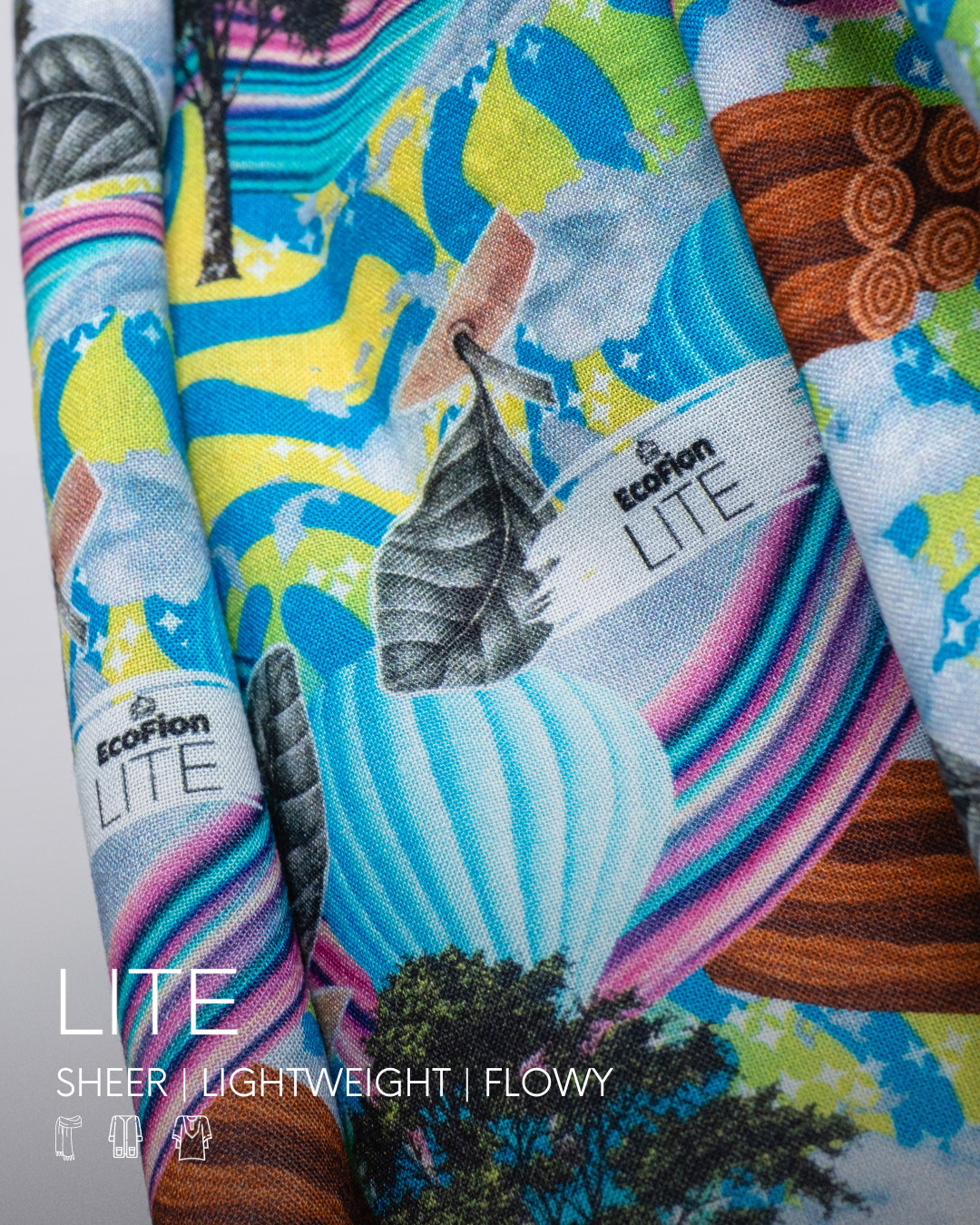
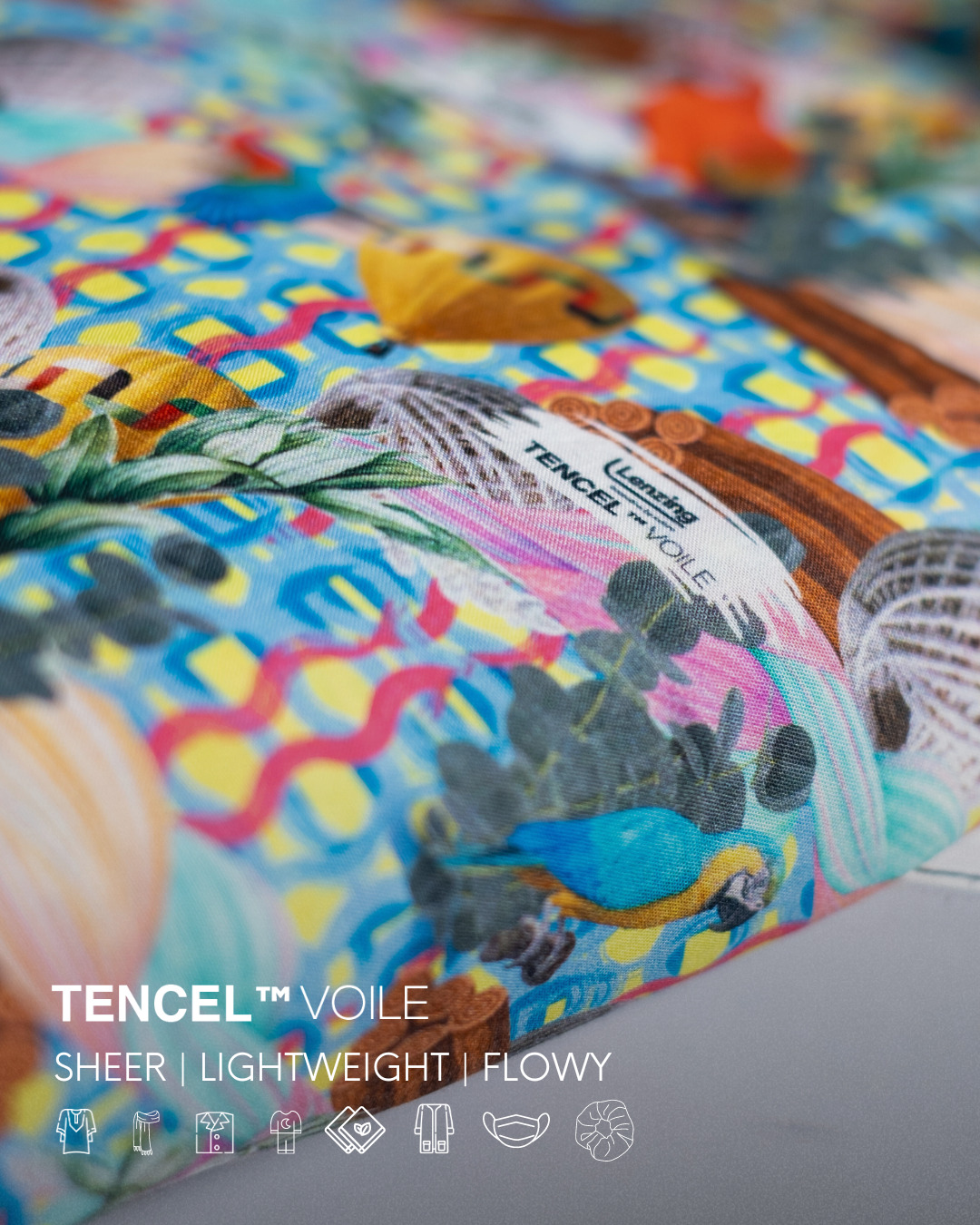
- Tencel is Lenzing's brand name for lyocell and modal, two cellulose fibers made with more tightly controlled processes.
So every viscose is a rayon, but not every rayon is viscose. Technically, Tencel belongs to the same family too; the difference is in the process and in the managed sources of its raw material.
What is rayon?
Rayon was the first manufactured fiber made from cellulose, and it was once nicknamed "artificial silk" for its soft sheen and fluid drape. In Indonesia, rayon is the go-to fabric for light, breathable, affordable pieces: house dresses, casual abayas, relaxed shirts, and wide-leg pants.
Typical traits of rayon fabric:
- Soft, cool against the skin, and good at absorbing sweat.
- Beautiful drape, ideal for loose, flowing silhouettes.
- Takes dye well, so prints come out bright.
- Weaker when wet, wrinkles easily, and can shrink if washed carelessly.
What is viscose? (and why it's often called rayon)
Viscose is the name of both the process and the fiber it produces. Wood pulp is treated with chemicals until it becomes a thick liquid (hence the name, from "viscous"), then pushed through tiny holes into another solution where it solidifies into fibers.
Because almost all rayon on the market is made this way, many countries, Indonesia included, use "rayon" and "viscose" for the same fabric. European care labels usually say "viscose", while US labels more often say "rayon".
What separates one viscose from another is usually where the pulp comes from and how it's produced. One example is LENZING™ ECOVERO™, a branded viscose from Lenzing made from controlled wood sources with a production process designed to have a lower environmental impact than generic viscose.
What is Tencel? Lyocell and modal
TENCEL™ is a fiber brand from Lenzing, the Austrian fiber producer. It covers two main fiber types:
- TENCEL™ Lyocell: made by dissolving pulp directly in an organic solvent within a closed-loop system, so the solvent can be recovered and reused. The fiber is strong (even when wet), smooth, and resists shrinking.
- TENCEL™ Modal: an exceptionally soft, flexible cellulose fiber, often used for underwear, tees, and anything worn close to the skin.
You can read the official overview on the TENCEL™ fibers page by Lenzing. If you're still unsure how the two compare, we cover it in detail in Tencel lyocell vs modal.
One important point: "Tencel" is a brand name. Lyocell from another producer is still lyocell, but it can't be called Tencel. If a supplier calls their fabric Tencel, it's fair to ask about certification or documentation from Lenzing.
Rayon vs viscose vs Tencel comparison table
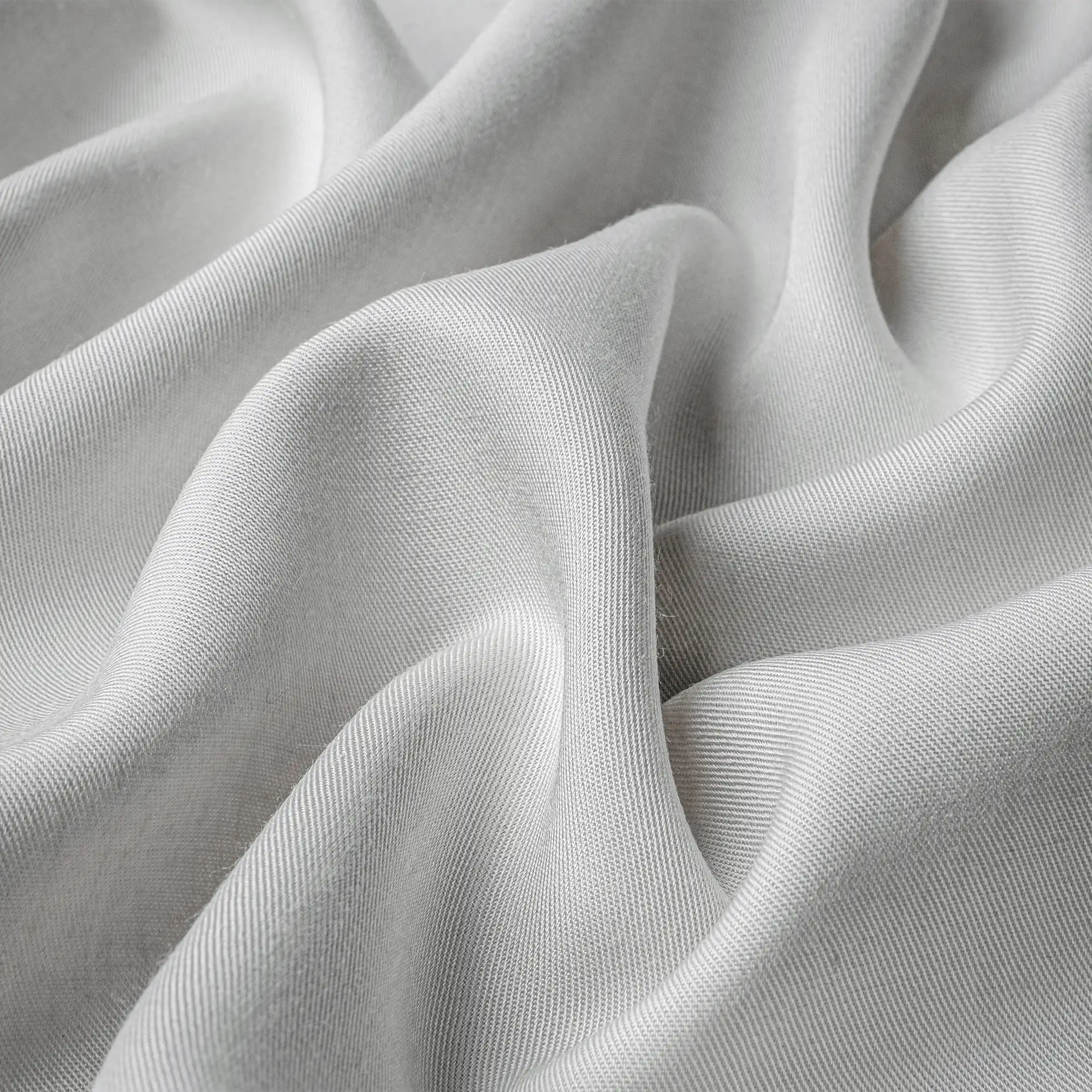
Here's a general overview. The final hand feel always depends on the weave, weight, and finishing of each fabric.
| Aspect | Rayon / Viscose | TENCEL™ Lyocell | TENCEL™ Modal |
|---|---|---|---|
| Raw material | Wood pulp (varied sources) | Wood pulp from managed sources | Wood pulp from managed sources |
| Process | Viscose method, chemical-heavy | Organic solvent, closed loop | Modified cellulose process |
| Hand feel | Cool, soft, fluid | Smooth, cool, slightly denser | Very soft and supple |
| Wet strength | Low, needs gentle washing | High | Better than viscose |
| Wrinkles & shrinkage | Wrinkles easily, prone to shrinking | More stable | Fairly stable |
| Best for | House dresses, casual abayas, relaxed shirts | Premium abayas, shirts, outerwear, dresses | Innerwear, tees, loungewear, hijabs |
| Price position | Most affordable | Premium | Premium |
Pros and cons for your brand's products
No fabric is right for every product. What matters is which one fits your target market and retail price.
Rayon / viscose
- Lower fabric cost, more room for margin
- Cool and comfortable in tropical climates
- Bright, saturated print colors
- Great for casual lines and higher volumes
TENCEL™ lyocell & modal
- Stronger and longer-lasting through many washes
- More premium look and feel
- Traceable fiber origin, easy to tell a sustainability story
- Higher fabric cost, needs a matching retail price
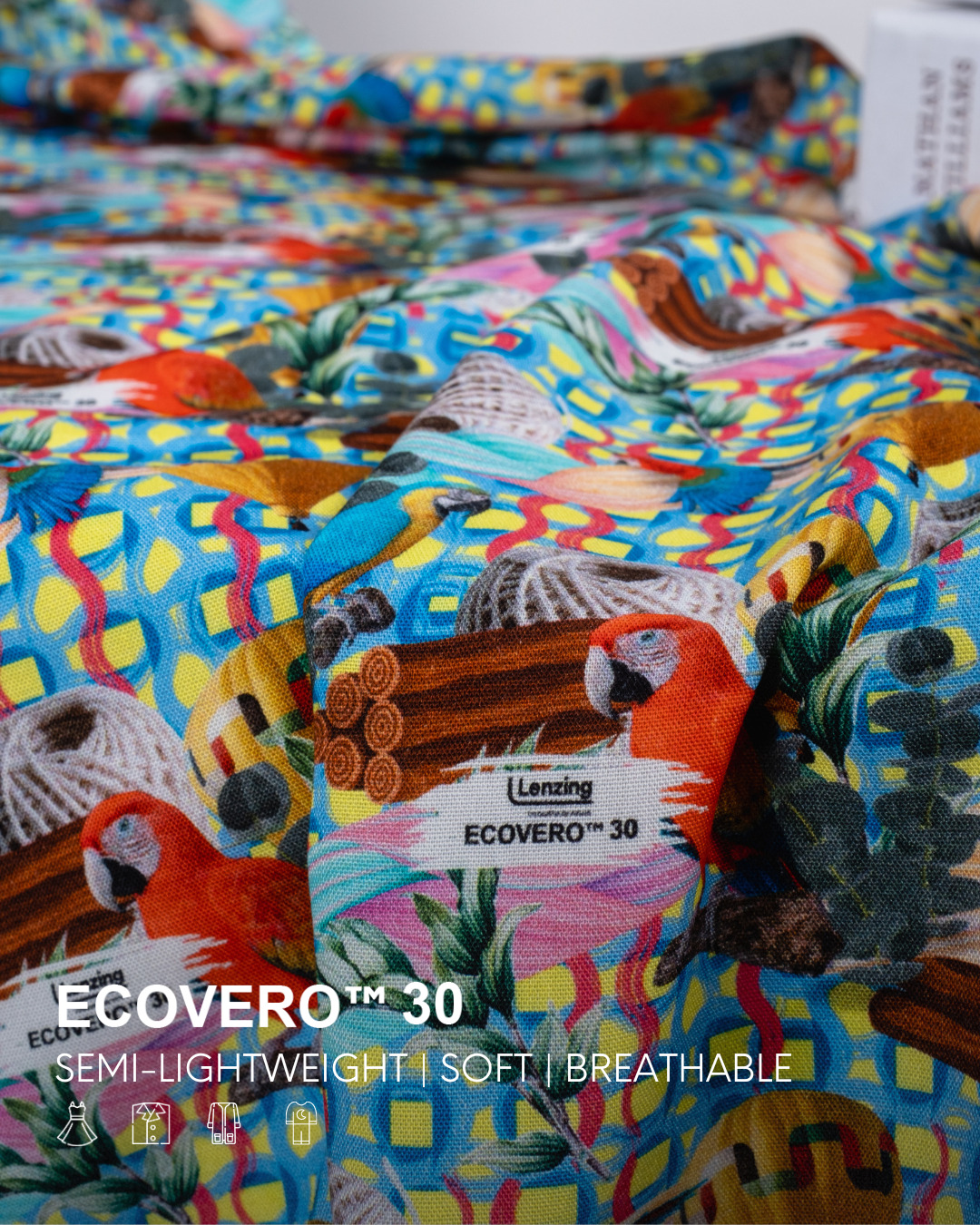
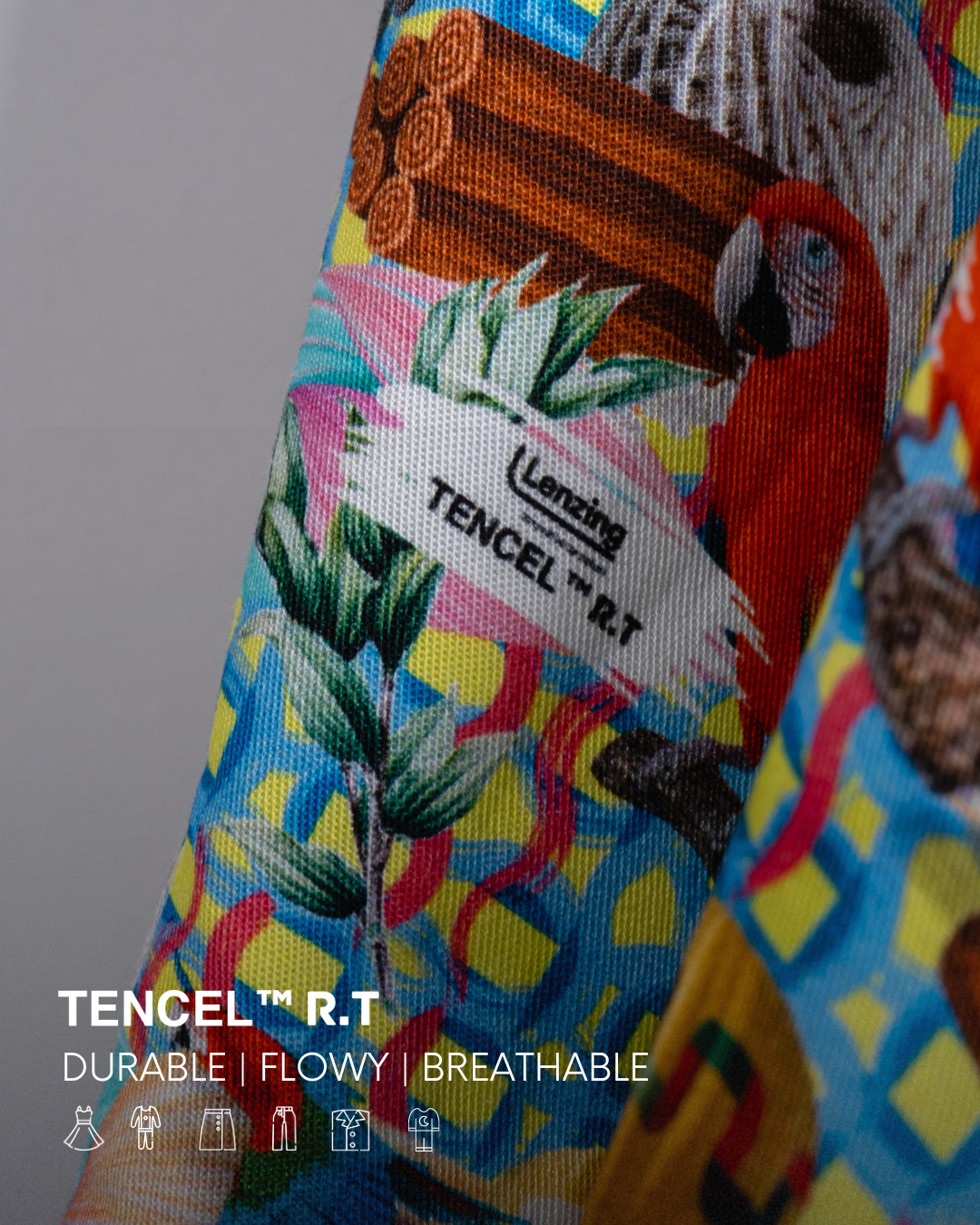
How to choose rayon, viscose, or Tencel for your brand
Run through these questions before you commit to a fabric:
- Define the product and how it's worn. Loungewear and casual pieces that get washed often have different needs from dresses or outerwear worn for occasions.
- Work out your target retail price. For mid-priced lines, rayon/viscose often makes more sense. For a premium line, Tencel adds value you can talk about.
- Think about your brand story. If sustainability is part of your message, branded fibers with a clear origin are easier to communicate.
- Touch and test the fabric. Drape and hand feel are far clearer in person. The Zalmon Sample Pack contains printed swatches of many fabric types, so you can compare them side by side.
- Check the print on your chosen base. Each fiber absorbs ink slightly differently. For custom digital fabric printing, Zalmon provides a strike-off (printed sample) in 7–10 working days before production.
- Read the fiber content label, not just the shop's trade name. "Premium rayon" isn't necessarily Tencel.
- Add care instructions to your hangtag: viscose should be washed gently and never wrung hard.
- Start small. Zalmon's MOQ for custom digital printing on natural fibers is 50 meters for 2 designs (25 meters per design), enough to test two prints at once.
- Need plain fabric or solid colors first? Browse the Zalmon fabric list or ready-stock solid colors.
FAQ about rayon, viscose, and Tencel
Are rayon and viscose the same thing?
In everyday use, yes. Viscose is the most common type of rayon, so most fabric labeled rayon is actually viscose. Technically, rayon is the family name for regenerated cellulose fibers, while viscose is one of the methods used to make them.
Is Tencel a type of rayon?
In terms of fiber family, lyocell and modal are regenerated cellulose fibers like rayon. The difference lies in the production process and the raw material sources. TENCEL™ is Lenzing's brand name for lyocell and modal fibers, which is why Tencel is positioned as a more premium fabric.
Which is cooler to wear, rayon or Tencel?
Both feel cool and absorb sweat well because they are made from cellulose. Rayon feels very fluid and cool, while Tencel feels smooth and fresh and holds up better after repeated washing.
Why does rayon shrink after washing?
Viscose fibers weaken and swell when wet, so they can change size if washed in hot water, wrung hard, or tumble dried. Wash in cold water on a gentle cycle and dry in the shade to reduce the risk.
Does Zalmon offer rayon and Tencel for custom printing?
Yes. Zalmon supplies natural-fiber fabrics including TENCEL™ Lyocell and Modal, rayon/viscose, cotton, silk, and linen for custom digital printing. The MOQ for custom digital printing on natural fibers is 50 meters for 2 designs, using your own artwork.
In the end, rayon vs viscose vs Tencel isn't about which fabric is best overall, but which one suits your product, price, and brand story. Rayon and viscose win on price and cool comfort, while Tencel wins on durability and premium value.
Still deciding between rayon and Tencel?
Tell the Zalmon team about your product and target market. We'll help you find the right fabric for your print designs.
Chat via WhatsApp →Get the Sample PackShowroom: Ruko 23 Paskal B71, Bandung, Indonesia.