
Linen vs cotton is the comparison almost every brand owner runs into when planning a breathable collection for hot weather. Both are natural plant fibers and both absorb sweat, yet they feel, look, wear, and print quite differently. This guide breaks down the difference between linen and cotton, the strengths and weaknesses of each, and how to pick the right one for your products.
What is the difference between linen and cotton? Linen is made from fibers in the stalk of the flax plant, while cotton comes from fibers that grow around cotton seeds. Linen is stronger, dries faster, and feels cooler, but it wrinkles easily and feels stiffer. Cotton is softer, easier to care for, more affordable, and usually takes print colors more evenly.
What are linen and cotton made of?
Linen is fabric woven from the stalk fibers of the flax plant (Linum usitatissimum), while cotton is fabric made from the soft fibers that wrap around the seeds of the cotton plant (Gossypium). Both are made of cellulose, so both are natural fibers that absorb water and breathe.
Flax is a bast fiber, meaning a fiber taken from the stem of a plant. Turning it into fabric takes time: the stalks are soaked (retted) to loosen the fibers, then separated, combed, spun, and finally woven. Cotton fibers are finer and the process is simpler, which is one reason cotton is so much easier to find.
The scale is very different too. According to the Textile Exchange Materials Market Report 2025, cotton accounts for roughly 19% of global fiber production, while flax and hemp combined make up only about 0.5%. If linen feels rarer and more exclusive, that impression has a real basis.
What is the difference between linen and cotton?
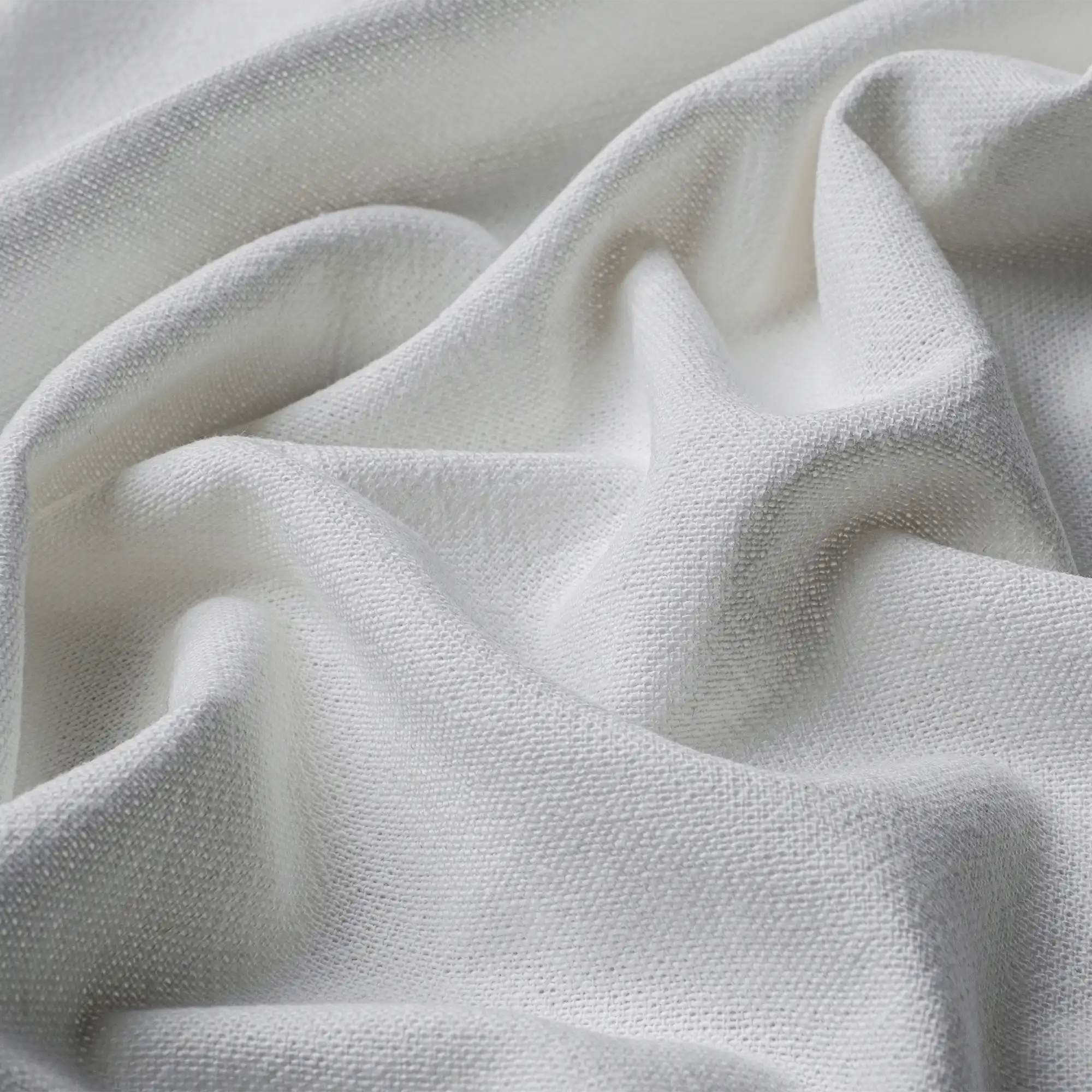
The main differences between linen and cotton are fiber strength, how they feel on the skin, and how easily they wrinkle. Linen is stronger, dries faster, and resists sunlight better, but it has little stretch and creases easily; cotton is softer and more flexible.
Encyclopaedia Britannica's entry on linen notes that linen is stronger than cotton, dries more quickly, and is affected more slowly by sunlight. Its low elasticity gives it a hard, smooth surface but also makes it prone to wrinkling. Linen also absorbs and releases moisture quickly, which is why it feels cool to wear.
| Factor | Linen | Cotton |
|---|---|---|
| Fiber source | Flax plant stalk (bast fiber) | Fibers around cotton seeds |
| Texture | Crisper, natural slubs, slight sheen | Soft, even, familiar on the skin |
| Feel in hot weather | Very cool, absorbs and releases sweat fast | Comfortable, but holds moisture longer |
| Strength | One of the strongest natural fibers | Strong, but weaker than linen |
| Wrinkling | Wrinkles easily, part of its character | Wrinkles less, depending on the weave |
| Care | Needs more attention, softens with washing | Easy to wash and iron |
| Print result | Colors tend to look softer, texture shows | More even color, sharp motif detail |
| Relative price | Usually higher | More affordable, huge range of options |
A slub is a small natural thick spot in the yarn that gives linen its textured surface. Keep in mind that the finished fabric depends on more than fiber type. Yarn thickness, weave density, and finishing all matter. A light cotton voile can feel cooler than a heavy linen made for tablecloths.
What are the pros and cons of linen and cotton?
Linen wins on coolness, strength, and a natural, upscale look, while cotton wins on comfort, easy care, and design flexibility. Here is the detail.
Linen
Pros
- Very cool in hot, humid weather
- Strong fibers that last for years
- Gets softer with every wash
- Natural, refined look
Cons
- Wrinkles easily
- Feels stiff at first
- Usually costs more
- Fewer weave and color options
Cotton
Pros
- Soft and comfortable from the first wear
- Easy to wash and iron
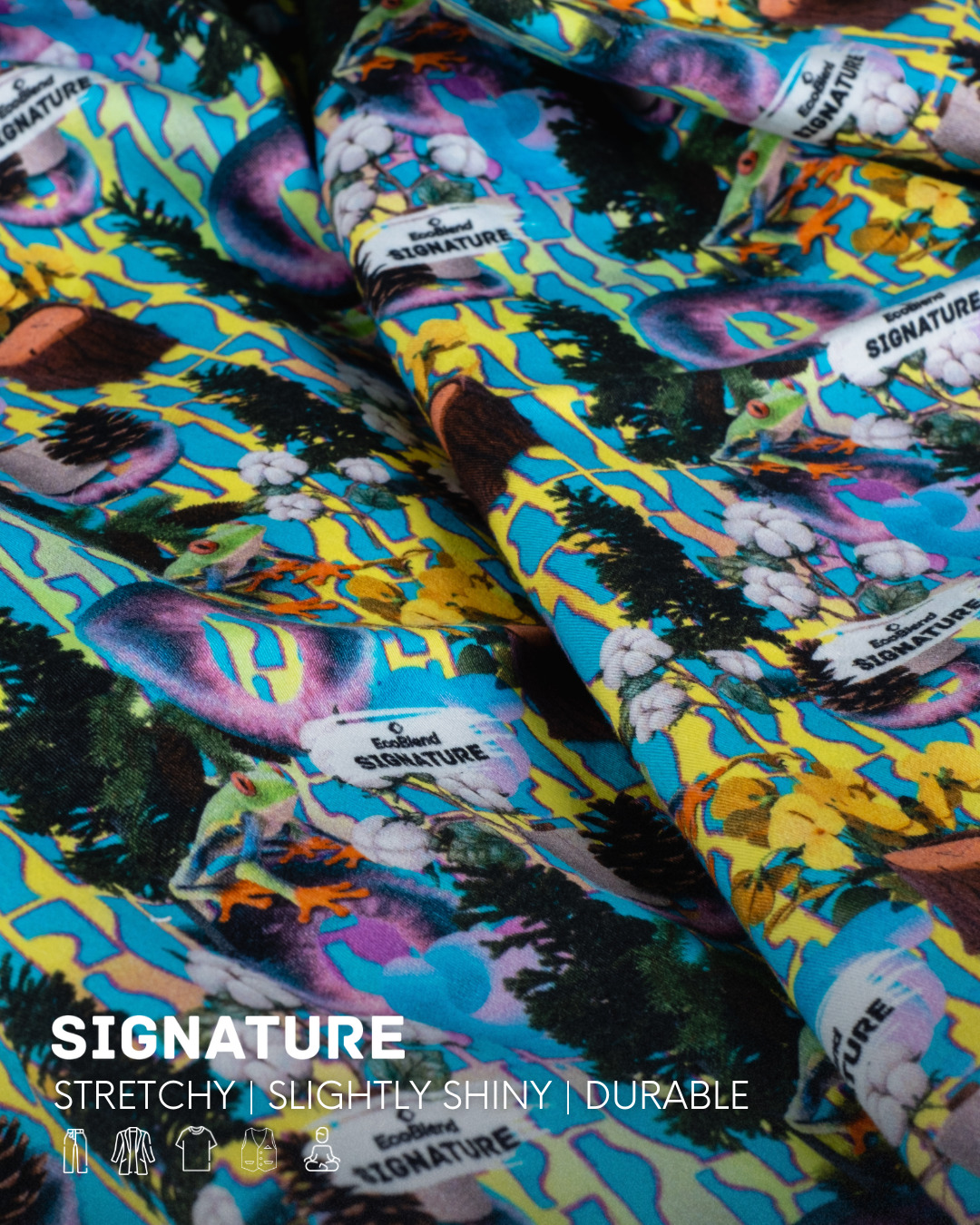
- Many weaves: poplin, twill, voile, dobby
- Even print color and sharp motif detail
Cons
- Holds sweat longer than linen
- Can shrink if not properly processed
- Thin cotton wears out faster
- Less of a "statement" look than linen
The CFDA fiber guide on flax notes that more than 70% of linen goes into clothing, and that flax is stiffer and faster drying than cotton. That stiffness is why linen garments drape differently: they hold more volume and structure, while cotton follows the body more closely.
What products are linen and cotton best for?
Linen suits products built around a relaxed, natural, cool feel, while cotton works for almost any everyday product that needs to be comfortable and easy to care for.
- Linen or linen blends: resort shirts, wide-leg trousers, light outerwear, holiday dresses, premium loungewear, and home textiles such as pillowcases and tablecloths.
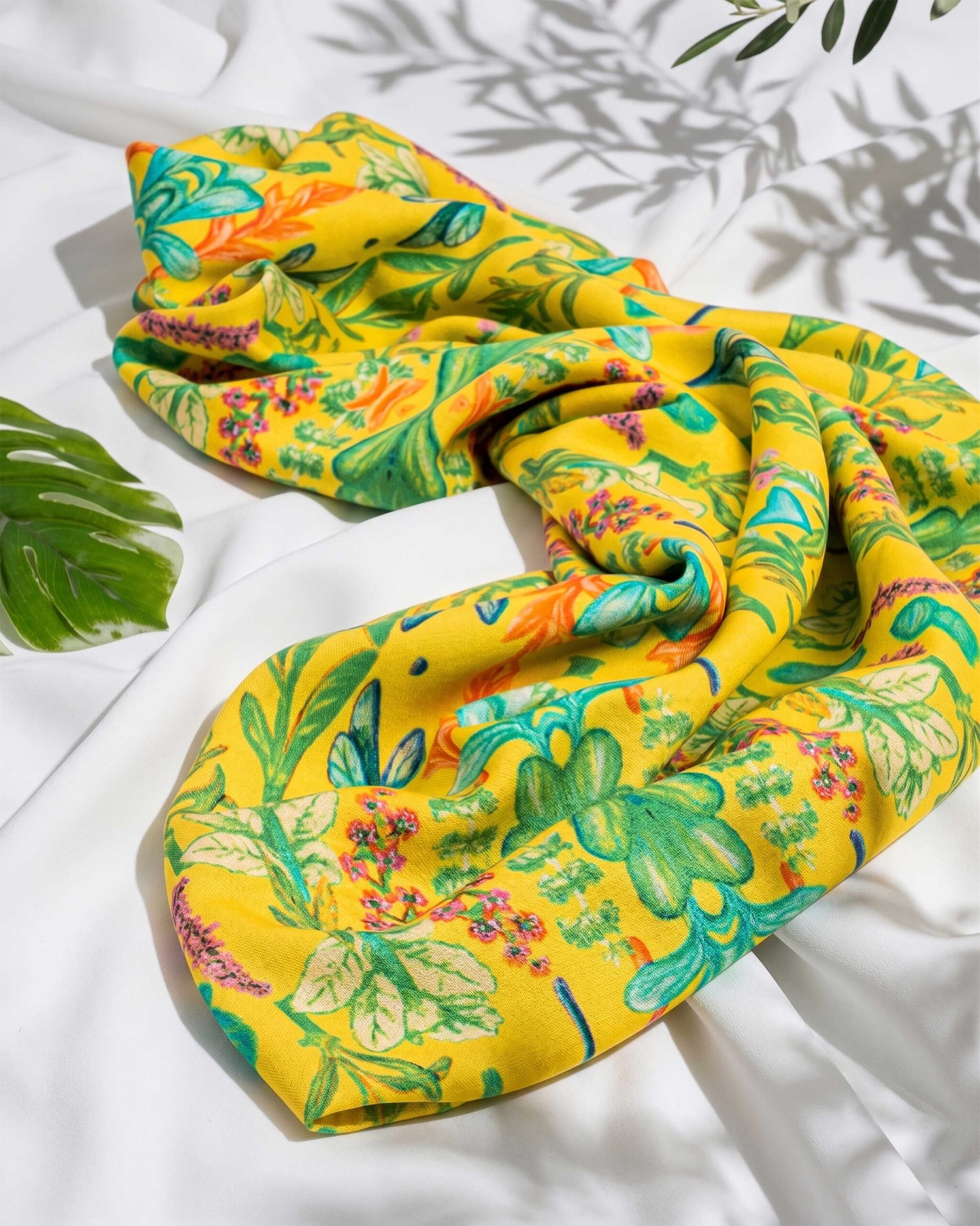
- Cotton: work shirts, blouses, everyday modest dresses, pajamas, kidswear, tote bags, and cotton voile scarves.
- Cotton-linen blends: a middle ground for brands that want linen's textured look with a softer hand and fewer wrinkles.
If your collection centers on shirts, read our cotton shirt fabric guide for a closer look at cotton weaves.
Linen vs cotton: which is right for your brand?
Choose linen if your product is positioned as a premium line that highlights texture and coolness; choose cotton if you need a versatile, easy-care fabric with crisp printed motifs. These five steps will help you decide.
- Set your price position. Linen usually raises your cost of goods, so it fits a premium line. Cotton is the safer choice for everyday best sellers.
- Look at your design. Fine details and bright colors stand out on smooth cotton. Large motifs, earthy tones, or solids blend nicely with linen's texture.
- Think about your customers' habits. If your customers dislike ironing, cotton or a cotton-linen blend is safer. Linen's wrinkles should be explained as character, not a defect.
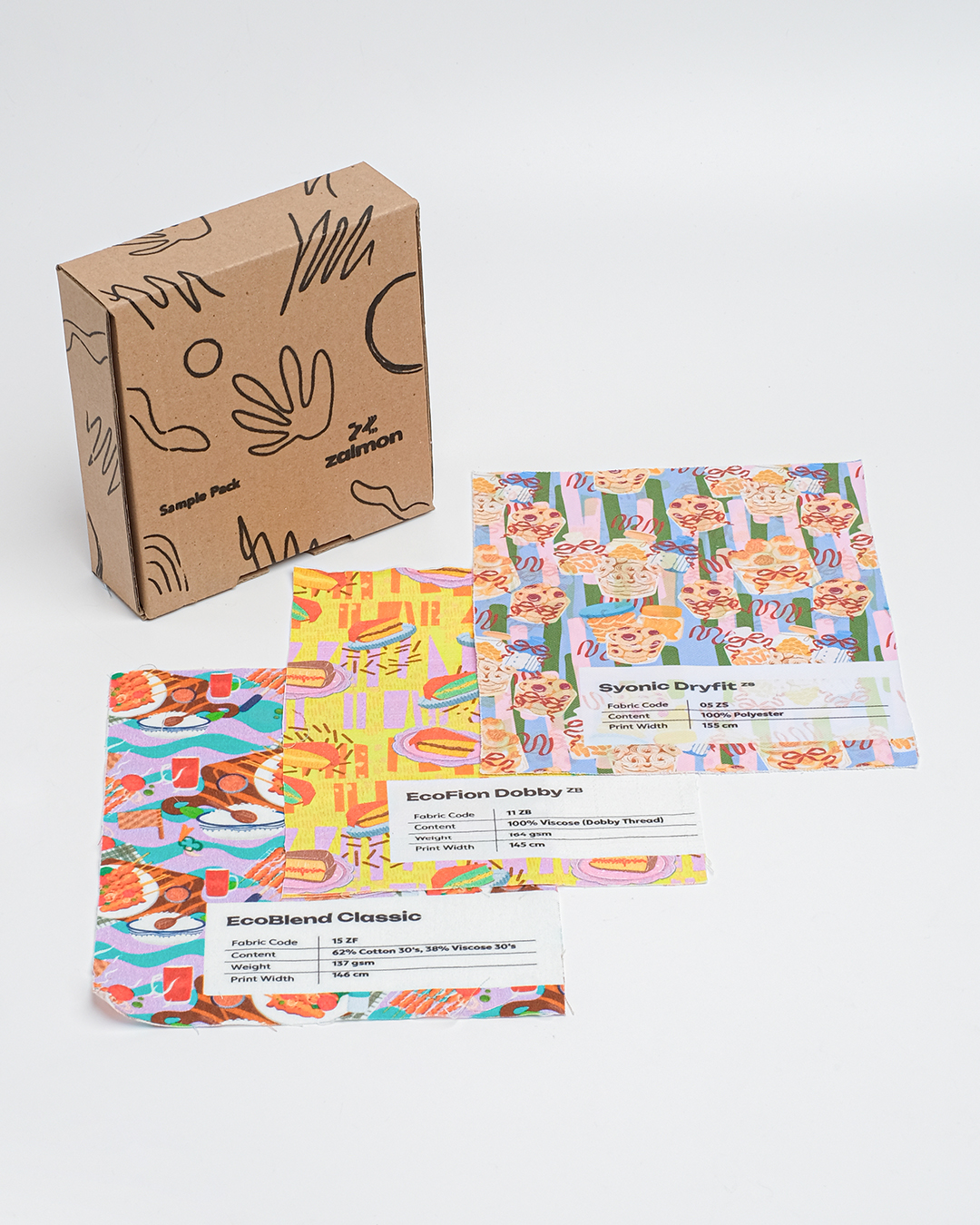
- Touch and wash the samples. You cannot judge a fabric from a photo. The Zalmon Sample Pack gives you fabric swatches to feel, wash, and compare.
- Test with a small run. Start with one or two designs, watch how the market responds, then scale up. Our guide on choosing fabric for a clothing brand covers this step in more depth.
- Say in your product description that linen wrinkles naturally and softens with washing.
- Add a care label to every product.
- If you are unsure, start with a cotton-linen blend.
Can linen be custom printed like cotton?
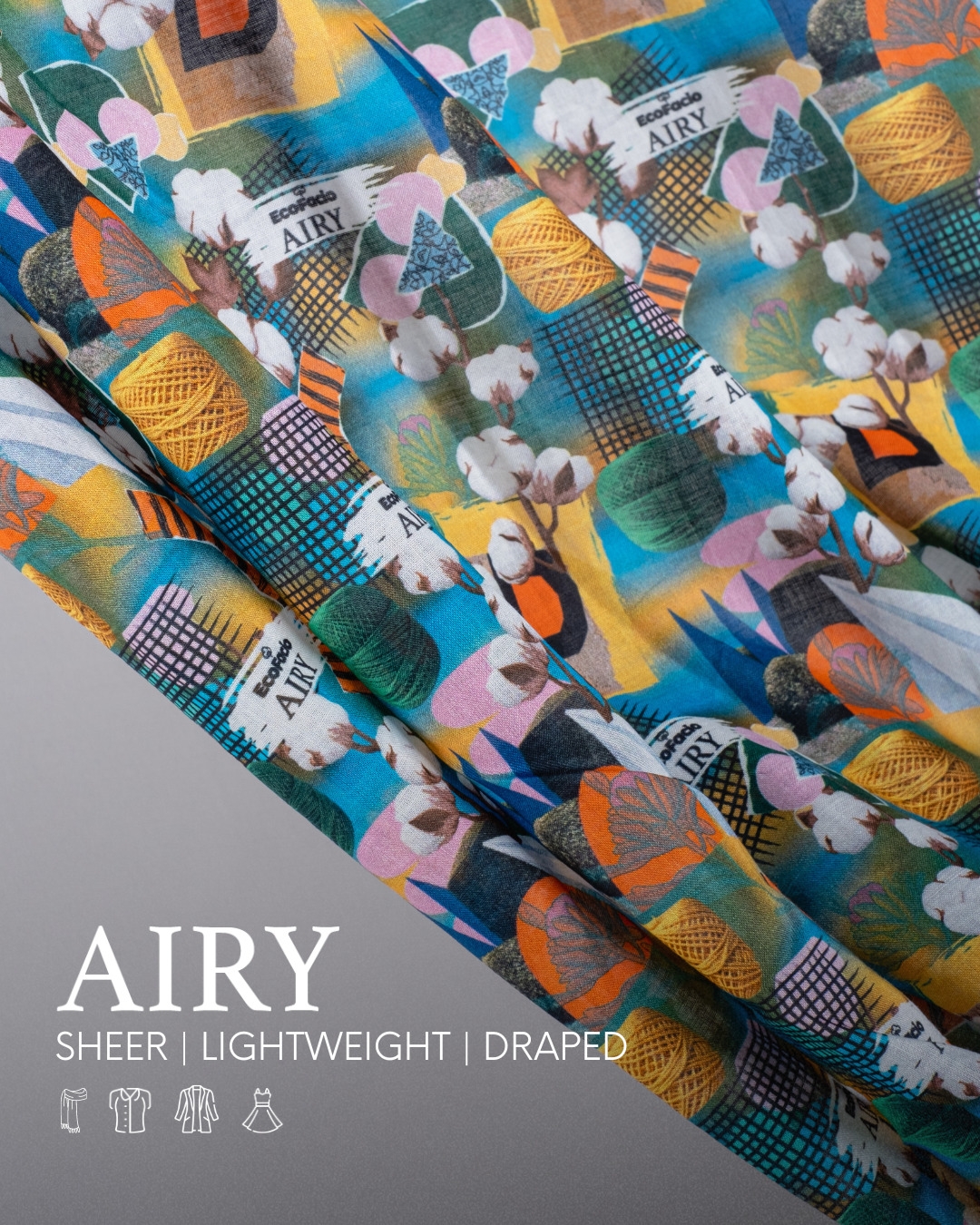
Yes, linen and linen blends can be custom printed with digital printing just like cotton, but colors tend to look slightly softer and the fiber texture shows through the print.
Digital printing is a method of printing a design straight from a digital file onto fabric with a textile printer, with no screens or rollers to make. Zalmon Fabric offers custom digital fabric printing on natural fibers with a minimum order of 50 meters for 2 designs (25 meters per design). You bring your own designs, and Zalmon Fabric prints them at its own mill in Bandung. You can browse the available base fabrics in the Zalmon fabric list.
Because every fabric has a different texture and absorbency, Zalmon Fabric recommends a strike-off before production. A strike-off is a printed sample of your design on the chosen fabric, used to check color and motif scale. A digital print strike-off at Zalmon Fabric takes 7–10 working days, and production in the normal queue takes at least 21 working days (closed Saturday and Sunday).
If you need plain fabric to sew or dye yourself, see our ready stock solid colors.
The same design file can look different on cotton and on linen. To compare, print a strike-off of the same motif on both fabrics before you decide.
How do you care for linen and cotton?
Linen and cotton both last longer when washed in cold water with a mild detergent and dried in the shade. The difference lies in ironing and how much heat each fabric tolerates.
- Wash in cold water and turn printed garments inside out.
- Avoid bleach and harsh detergents.
- Linen: iron while still slightly damp, or embrace the natural creases.
- Cotton: iron on medium heat and avoid high-heat dryers to prevent shrinking.
- Dry in a shaded, airy spot so print colors do not fade quickly.
Zalmon Fabric is a natural-fiber fabric supplier (TENCEL™, cotton, rayon/viscose, silk, linen) and custom digital fabric printing service based in Bandung, Indonesia. Fabrics are woven and printed in-house at its own mill, with OEKO-TEX and Lenzing certifications. Showroom: Ruko 23 Paskal B71, Bandung 40181, Indonesia. WhatsApp: +62 813-2282-8217.
Linen vs cotton FAQ
Which is cooler, linen or cotton?
Linen is usually cooler than cotton. Flax fibers absorb and release moisture quickly and conduct heat well, so the fabric feels cool against the skin. That said, a light cotton voile is still comfortable in hot weather.
Why does linen wrinkle so easily?
Linen wrinkles easily because flax fibers have low elasticity, so creases do not bounce back on their own. These wrinkles are considered part of linen's natural character. For a neater look, choose a cotton-linen blend or iron while the fabric is still slightly damp.
Is linen more expensive than cotton?
Yes, linen is usually more expensive than cotton. Processing flax fiber takes longer and more labor, and far less of it is produced than cotton. The final price still depends on the weave, weight, and fiber blend.
What is cotton linen fabric?
Cotton linen is a fabric that blends cotton and linen fibers. It gives a textured, linen-like look with a softer hand and fewer wrinkles. Zalmon Fabric carries several white blended fabrics, including Cotton Linen, Cotton Linen Dobby, and Cotton Linen Crepe.
What is the minimum order for custom printed fabric at Zalmon Fabric?
The minimum order for custom digital printing on natural fabrics at Zalmon Fabric is 50 meters for 2 designs, or 25 meters per design. A strike-off takes 7–10 working days, and production in the normal queue takes at least 21 working days.
Still deciding between linen and cotton?
Tell us about your product and target market, and the Zalmon Fabric team will help you weigh linen vs cotton, or a blend of both, before you go into production. Want to feel the fabrics first? Start with the sample pack.
Chat via WhatsApp →Get the Sample PackShowroom: Ruko 23 Paskal B71, Bandung, Indonesia.