Finding the best fabric for blouses decides whether your collection feels cool, drapes beautifully and earns repeat wear. Blouses are worn all day, often in warm weather, paired with skirts or work trousers, and customers notice quickly when a fabric feels stuffy or creases by lunchtime. This guide compares the natural-fiber blouse fabrics fashion brands use most, and explains how to choose one and print your own patterns on it.
What is the best fabric for blouses? The best fabric for blouses in warm climates is a light, breathable natural or cellulose fabric with good drape, such as TENCEL™ Lyocell, TENCEL™ Modal, rayon/viscose, cotton voile or poplin, and silk. TENCEL™ and rayon lead on drape, cotton on crispness, and silk suits premium lines. The right pick depends on the blouse style and your price point.
What makes a blouse fabric comfortable and look expensive?
A comfortable, expensive-looking blouse fabric has five qualities: it breathes, it drapes well, its weight suits the style, it resists creasing reasonably, and its surface is smooth enough for prints to come out sharp. These qualities matter far more than a "premium" label in the fabric name.
- Breathability is how well a fabric lets air and moisture vapor pass through. Cellulose fibers such as cotton, rayon and TENCEL™ generally feel cooler than polyester in hot weather.
- Drape is the way a fabric falls and moves with the body. Flowy, ruffled or bishop-sleeve blouses need a soft drape.
- Fabric weight (GSM) is the fabric's weight in grams per square meter. Light to mid-weight fabrics are usually the most comfortable for blouses; very sheer fabrics may need a lining.
- Crease resistance matters for workwear blouses worn all day, because a fabric that wrinkles fast instantly looks less polished.
- Surface smoothness helps custom prints look crisp, with even color across the panel.
If you are just starting out, handle several fabrics in person before you commit. The difference in drape between rayon and cotton, for example, is much clearer in your hands than in a catalog photo.
What is the best fabric for blouses in a fashion collection?
Six groups of natural and cellulose fabrics cover most blouse collections: TENCEL™ Lyocell, TENCEL™ Modal, rayon/viscose, cotton, silk, and linen or linen blends. Each has its own handfeel, care needs and price position.
1. TENCEL™ Lyocell
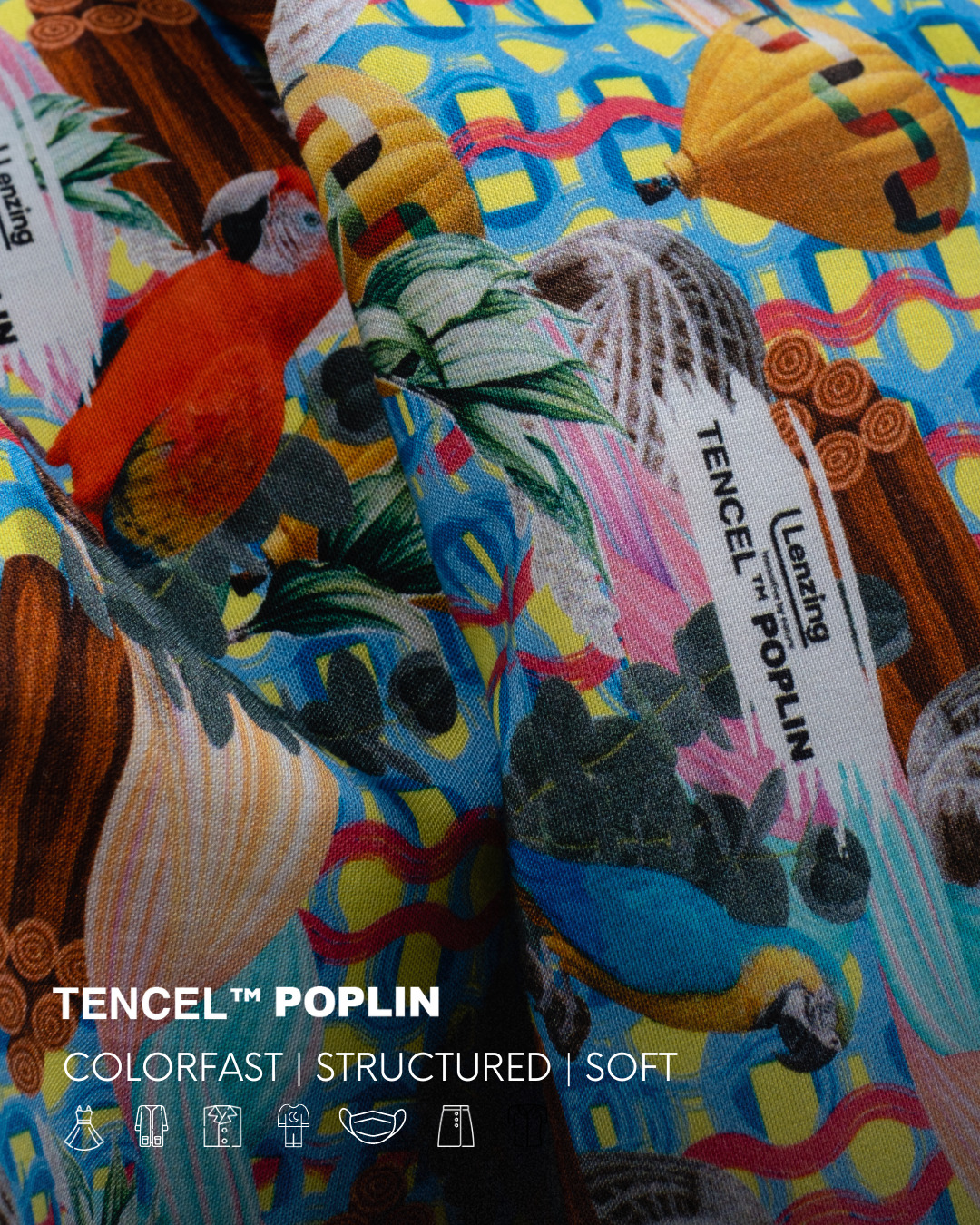
TENCEL™ Lyocell is a regenerated cellulose fiber made from wood pulp by Lenzing. According to the official TENCEL™ fibers site, Lyocell and Modal fibers come from wood pulp sourced from certified forestry and are known for feeling soft against the skin. In a blouse, TENCEL™ Lyocell gives a smooth drape, a subtle sheen and a cool touch, which works for office blouses and loose modest tops alike.
2. TENCEL™ Modal and Micromodal
TENCEL™ Modal feels softer and more supple than Lyocell, while Micromodal uses even finer fibers. These fabrics suit basic blouses, layering tops and anything worn close to the skin.
3. Rayon / viscose
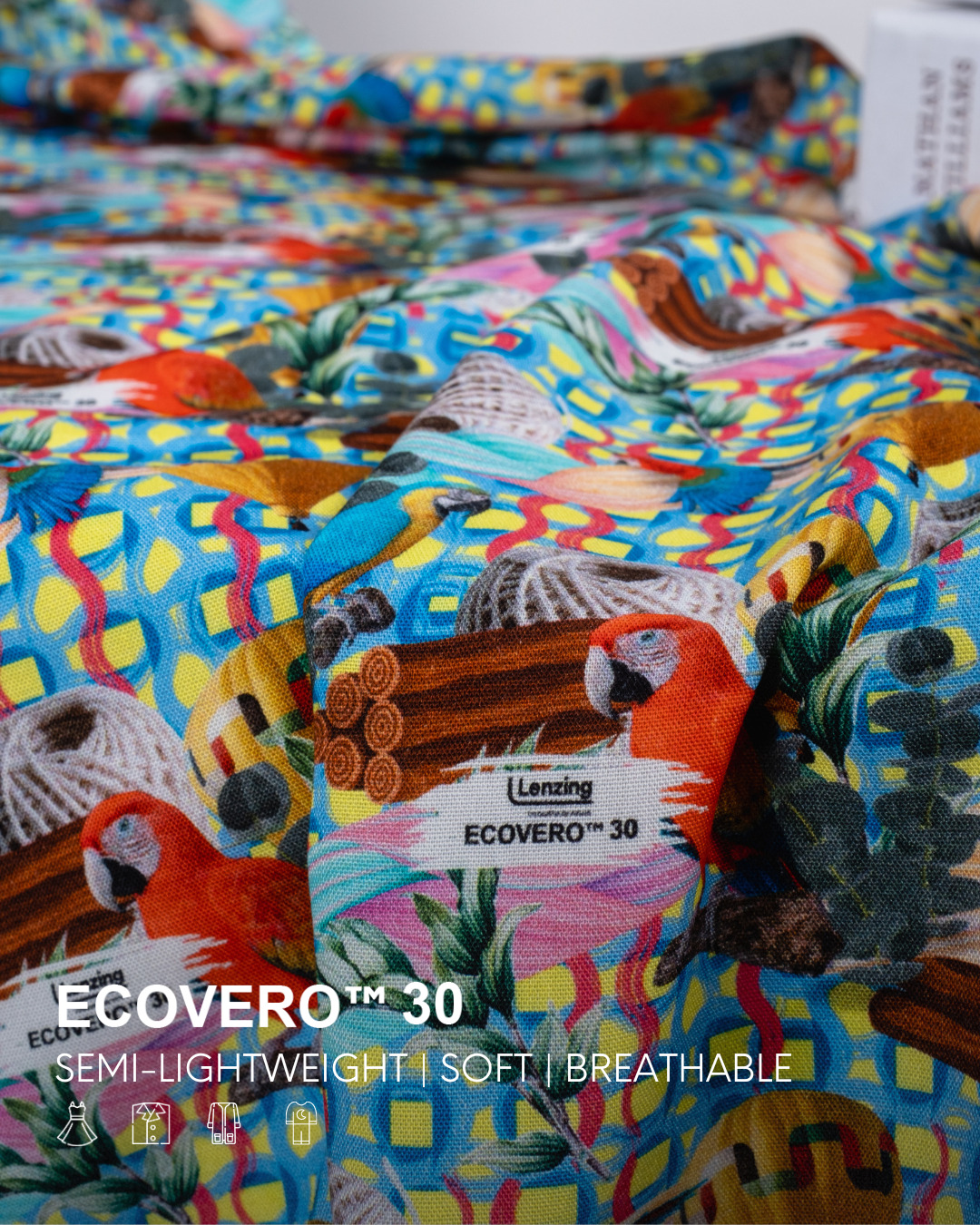
Rayon, also called viscose, is one of the most popular blouse fabrics in Southeast Asia because it is cool, very drapey and more affordable. Its downside is that rayon creases easily and can shrink if cared for incorrectly. More responsible viscose such as LENZING™ ECOVERO™ is made with at least 50% less carbon emissions and water than generic viscose.
4. Cotton (poplin, voile, lawn)
Cotton looks crisp and slightly more structured, so it suits collared blouses, women's shirts and office tops. Cotton voile is thinner and lighter for relaxed blouses, while cotton poplin is denser and easy to iron.
5. Silk
Silk is a natural protein fiber with the most luxurious sheen and drape. It fits premium lines and occasion collections, but it needs gentler care and costs more to produce.
6. Linen and linen blends
Linen is very breathable with a distinctive natural texture, but it creases easily. Cotton-linen or linen-rayon blends offer a middle ground for resort-style or casual blouses.
How do blouse fabrics compare on breathability, drape and care?
The table below summarizes the general character of each fabric so you can match it to your blouse styles and price targets.
| Fabric | Feel on skin | Drape | Creasing | Best for |
|---|---|---|---|---|
| TENCEL™ Lyocell | Cool, smooth | Fluid, subtle sheen | Fairly resistant | Office blouses, modest tops |
| TENCEL™ Modal / Micromodal | Very soft | Supple | Fairly resistant | Basic blouses, layering tops |
| Rayon / viscose | Cool | Very fluid | Creases easily | Flowy blouses, busy prints |
| Cotton poplin / voile | Cool, dry | More structured | Moderate | Collared blouses, women's shirts |
| Silk | Slippery, luxurious | Very fluid | Needs special care | Premium and occasion lines |
| Linen & blends | Very breathable | Textured | Creases easily | Casual and resort blouses |
These are general traits. Weave construction (plain, twill, satin) and fabric weight can change drape and thickness noticeably, so always check the actual fabric before production.
Which fabric suits each blouse style?
The blouse style should drive the fabric choice: the more gathers, pleats and volume in your design, the lighter and drapier the fabric needs to be.
- Collared office blouses: cotton poplin or TENCEL™ Lyocell twill to stay crisp all day.
- Flowy, ruffled or bishop-sleeve blouses: lightweight rayon/viscose or TENCEL™ Lyocell.
- Loose modest blouses: mid-weight TENCEL™ Lyocell or rayon so the fabric is not see-through.
- Basic or layering tops: soft TENCEL™ Modal or Micromodal.
- Premium occasion blouses: silk or TENCEL™ with a gentle sheen.
- Casual resort blouses: cotton-linen or other linen blends.
Can you print your own pattern on blouse fabric?
Yes. Zalmon Fabric in Bandung, Indonesia, offers custom digital printing on natural-fiber fabrics from 50 meters for 2 designs, or 25 meters per design. You bring your own artwork, and the pattern is printed directly onto your chosen fabric, such as TENCEL™, rayon, cotton or silk, through the custom digital printing service.
Digital printing is a method where inkjet machines apply ink directly onto fabric, which makes it ideal for detailed, multi-color patterns in small to medium production runs. Ordering with Zalmon Fabric works like this:
- Choose a fabric and prepare your file. Browse the fabric list and make sure your artwork follows the design terms.
- Strike-off. A strike-off is a printed sample of your pattern on the actual fabric before bulk production. It takes 7–10 working days.
- Production. Once the strike-off is approved, digital print production in the normal queue takes at least 21 working days (Saturdays and Sundays excluded).
- Ship to your sewing partner. The fabric goes straight to your tailor or garment factory.
If your blouse line needs solid colors, Zalmon Fabric also carries ready-stock solid colors and offers custom fabric dyeing with an MOQ of 300 meters per color per fabric type.
Tips for testing blouse fabric before production
Before you order production quantities, test your shortlisted fabrics so there are no surprises once the blouses are sewn and photographed for your catalog.
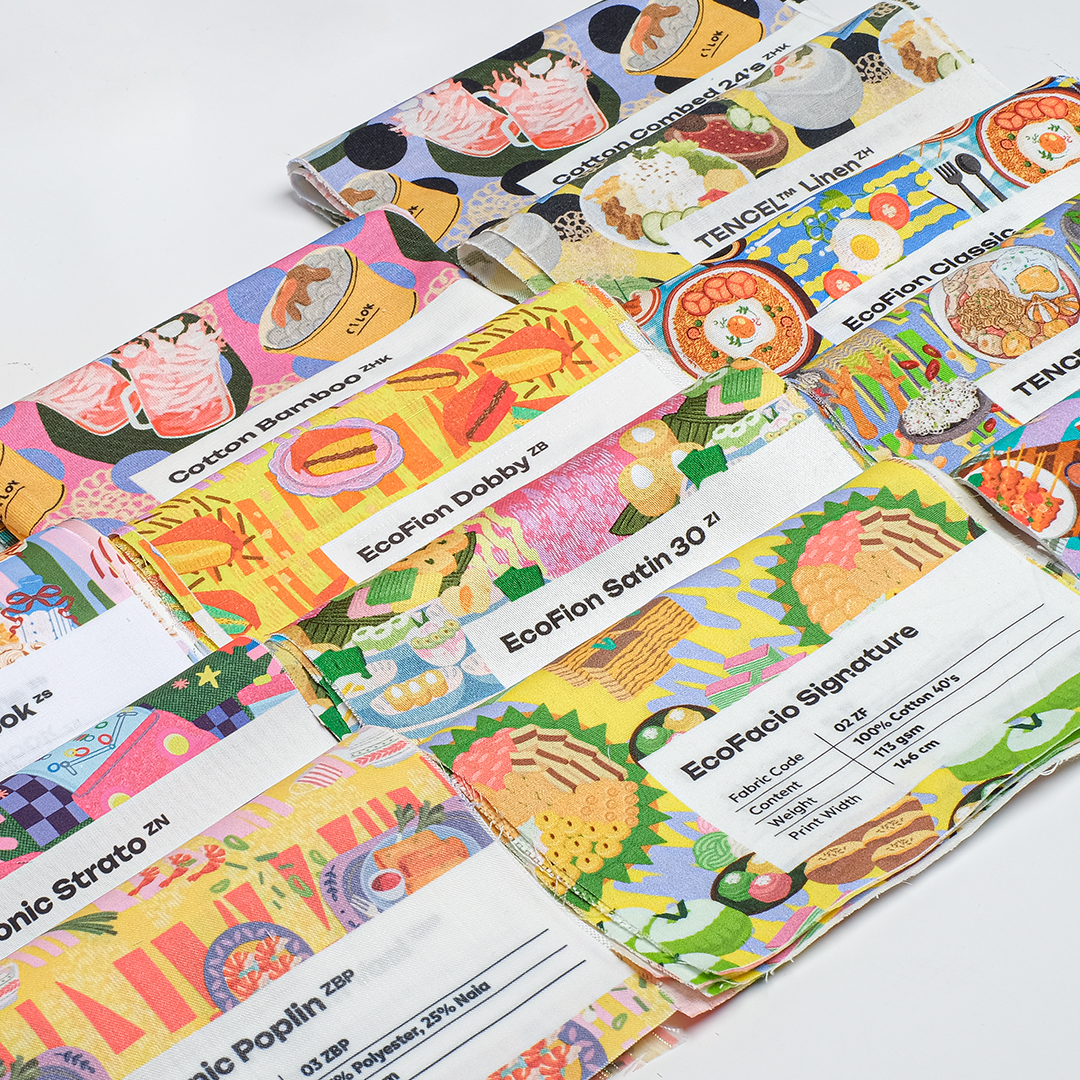
- Order the Zalmon Sample Pack to feel the drape, thickness and print quality of several fabrics at once.
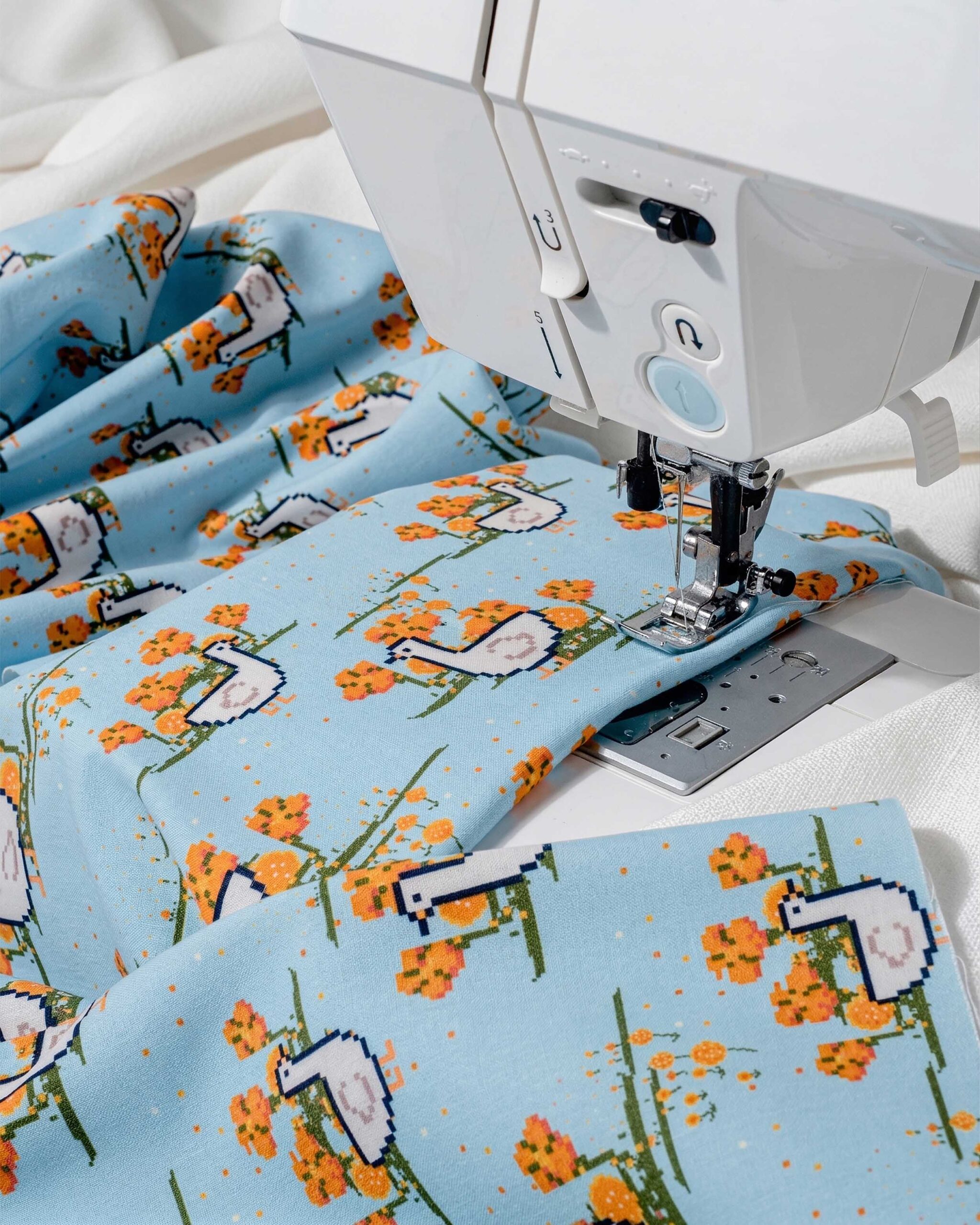
- Sew one sample blouse and wear it for a full day to test breathability and how fast it creases.
- Wash the sample according to its care label to check shrinkage and colorfastness.
- Match print scale to the style: large motifs suit loose blouses, small motifs suit tailored cuts.
- Calculate fabric meters per style before you set your retail price.
Zalmon Fabric is a natural-fiber fabric supplier (TENCEL™, cotton, rayon/viscose, silk, linen) and custom digital fabric printing service based in Bandung, Indonesia. Fabrics are woven and printed in-house at its own mill, with OEKO-TEX and Lenzing certifications. Showroom: Ruko 23 Paskal B71, Bandung 40181, Indonesia. WhatsApp: +62 813-2282-8217.
FAQ
What is the most breathable fabric for blouses in hot weather?
Linen, rayon/viscose, cotton voile and TENCEL™ Lyocell are among the most breathable blouse fabrics for hot weather. All four are cellulose-based fibers that absorb moisture. If you want breathability with less creasing, TENCEL™ Lyocell is usually the best compromise.
What is the difference between rayon and TENCEL for blouses?
Both are regenerated cellulose fibers made from wood pulp, but they are produced with different processes. Rayon/viscose is generally more affordable and very drapey, while TENCEL™ Lyocell feels smoother and tends to resist creasing better. TENCEL™ is a fiber brand owned by Lenzing.
What is the minimum order for custom printed blouse fabric at Zalmon Fabric?
The minimum order for custom digital printing on natural-fiber fabric at Zalmon Fabric is 50 meters for 2 designs, or 25 meters per design. For polyester, the custom print minimum is 10 meters.
How long does custom printed blouse fabric take to produce?
A strike-off takes 7–10 working days, and digital print production in the normal queue takes at least 21 working days after the strike-off is approved. Saturdays and Sundays are not counted as working days.
Is silk a good choice for a new blouse brand?
It can be, but silk works best as a limited premium line. Silk has a luxurious sheen and drape, yet it costs more to produce and is harder to care for. Many brands start with TENCEL™ or rayon and add silk once the market is proven.
Ready to choose the best fabric for blouses in your next collection?
Tell the Zalmon Fabric team about your blouse styles, price target and print designs. We will recommend the fabric that fits before you go into production.
Chat via WhatsApp →Get the Sample PackShowroom: Ruko 23 Paskal B71, Bandung, Indonesia.