Have a signature print idea and want to see it worn every day? If you want to start a hijab brand, printing your own designs is one of the most realistic ways into the modest fashion market, because you compete on design instead of price alone. This guide walks you through choosing fabric, preparing artwork, testing samples, sizing your first order and planning production time.
How do you start a hijab brand with your own prints? Define your target customer and the hijab styles you will sell, choose a comfortable fabric such as TENCEL™, rayon or silk, and prepare high-resolution artwork. Print a strike-off to check colors, then produce a small first run to test the market before you scale up.
Why does a hijab brand with its own prints stand out?
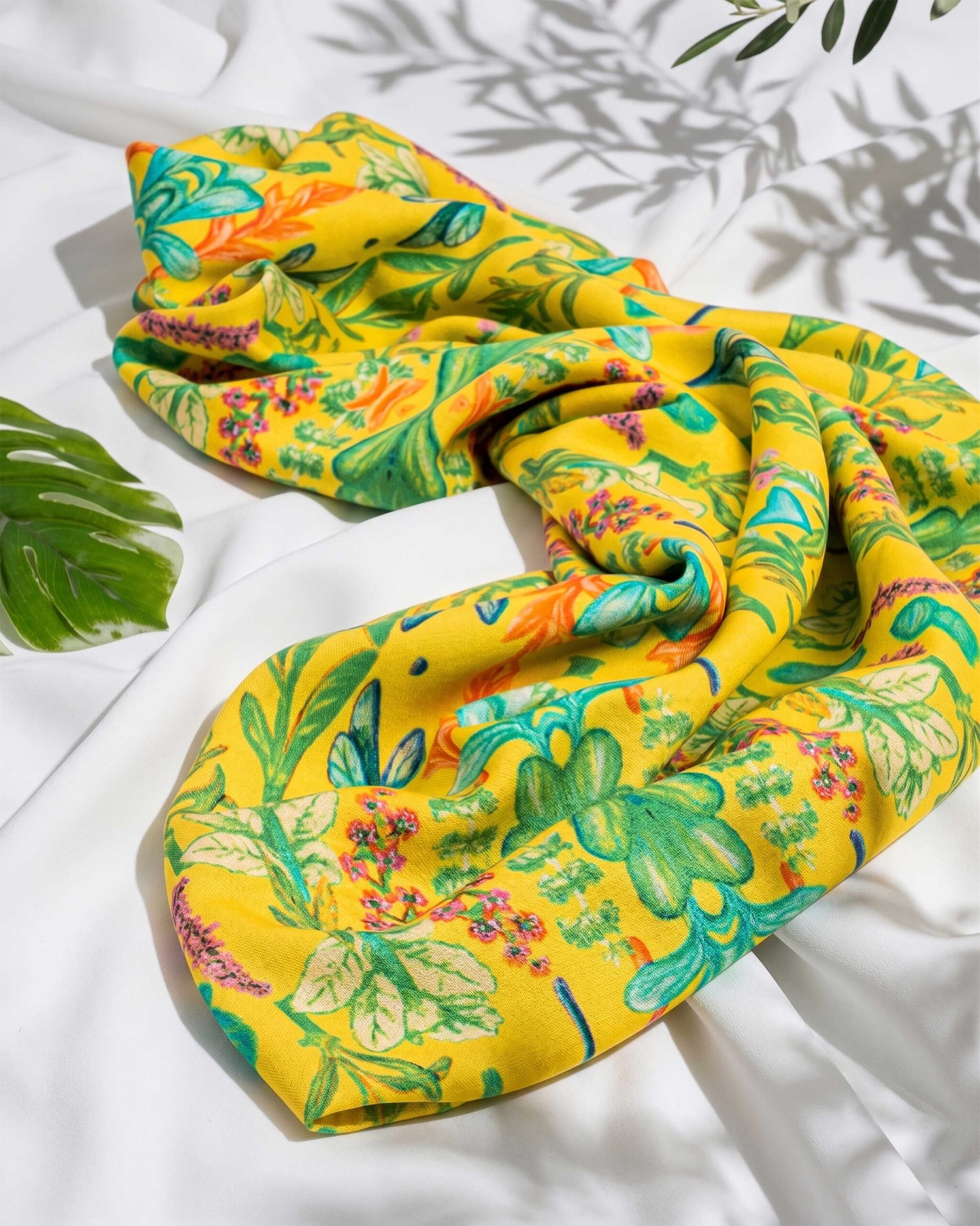
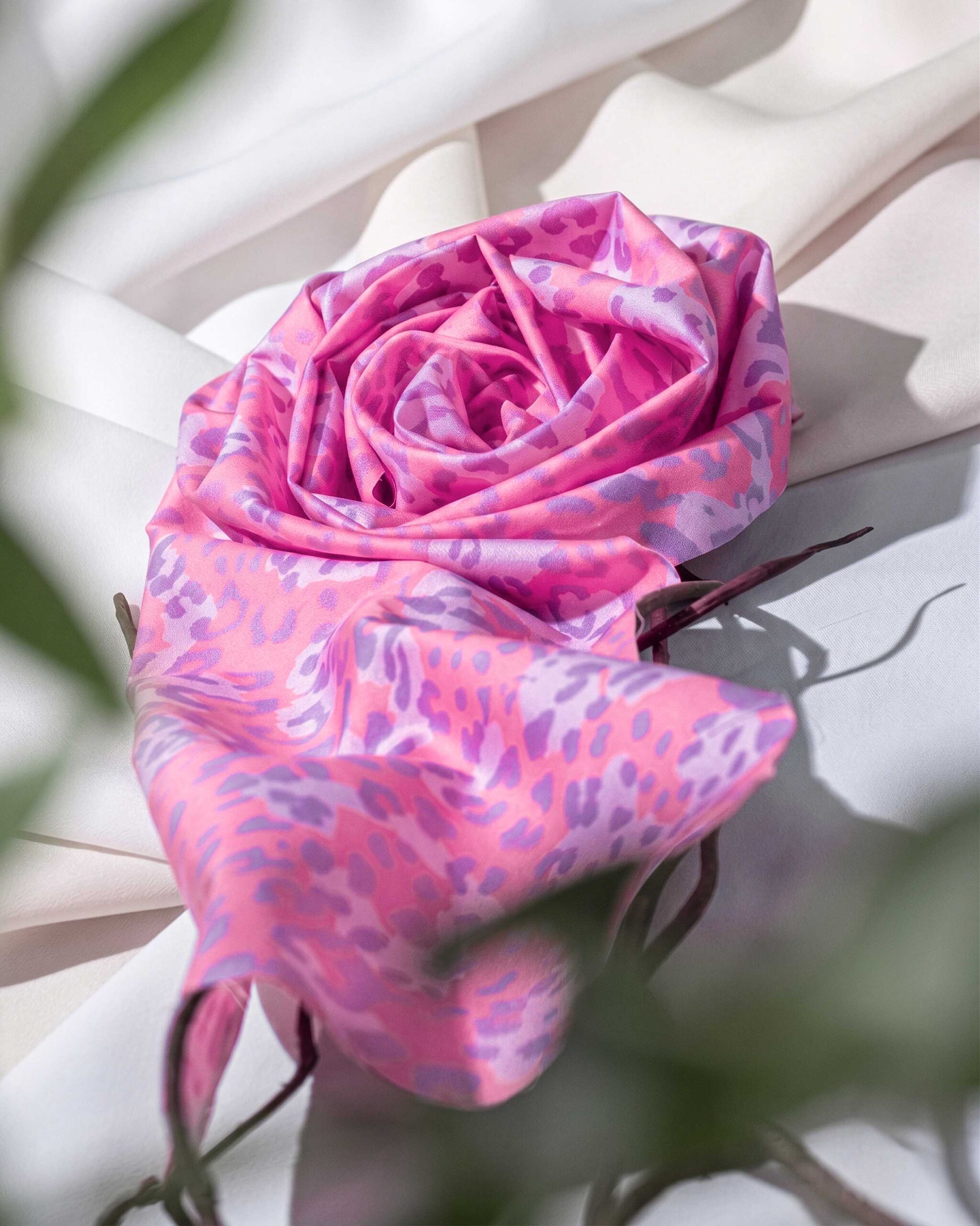
A hijab brand with its own prints stands out because customers cannot find the same design anywhere else. Basic hijab shapes such as square hijabs, shawls (pashmina) and instant hijabs look much the same from store to store, so the strongest differentiators are the print, the colors and the feel of the fabric.
The market is sizeable, too. According to Indonesia's Ministry of Industry, the country's modest fashion exports to OIC member states reached about USD 990 million in 2023. That shows steady demand for modest wear, and room for small brands with a clear identity.
Your own prints are also a long-term asset. One design can return in new colorways, carry over to related products such as outerwear or dresses, and gradually become the signature your loyal customers recognize at a glance.
What is the best fabric for printed hijabs?
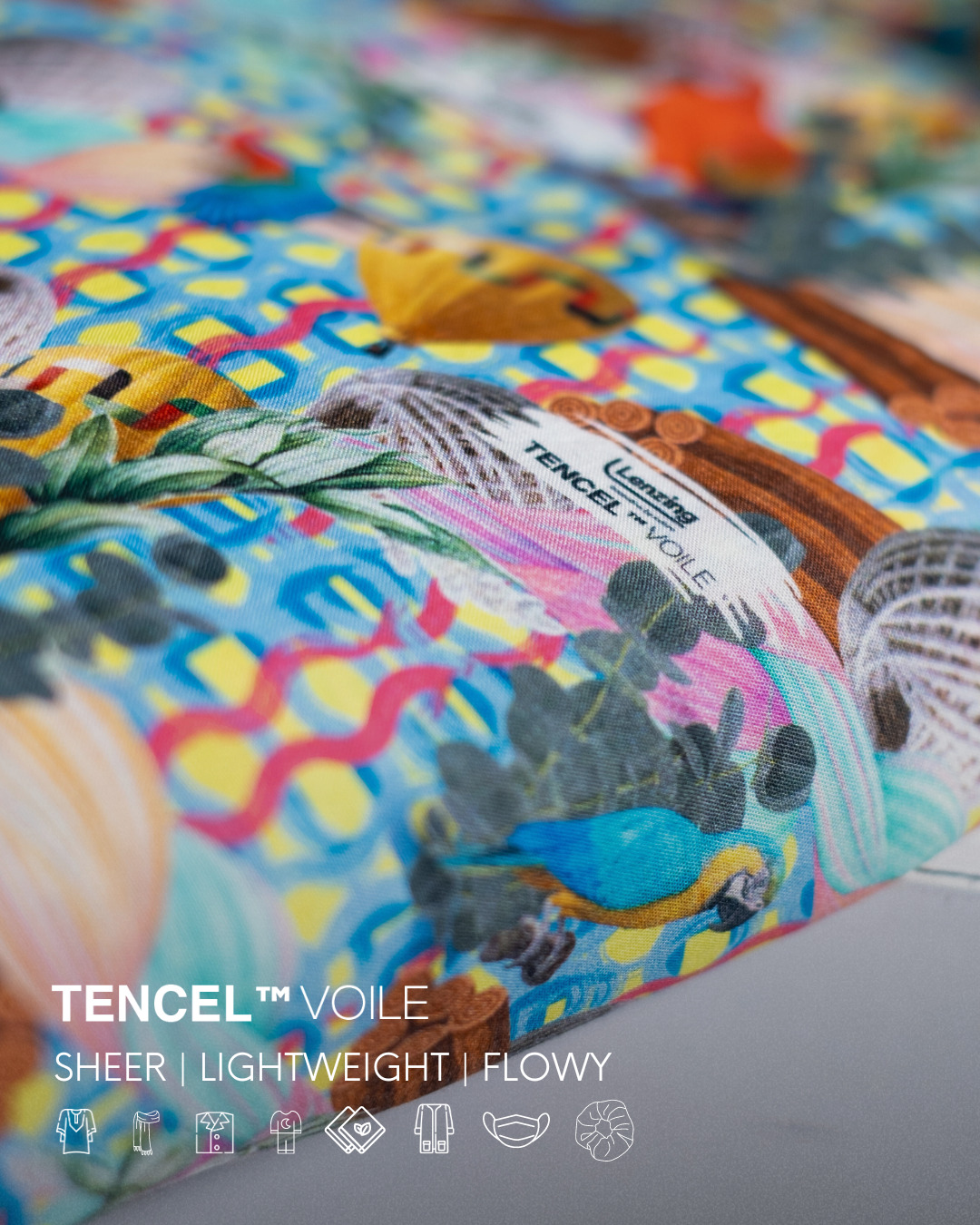
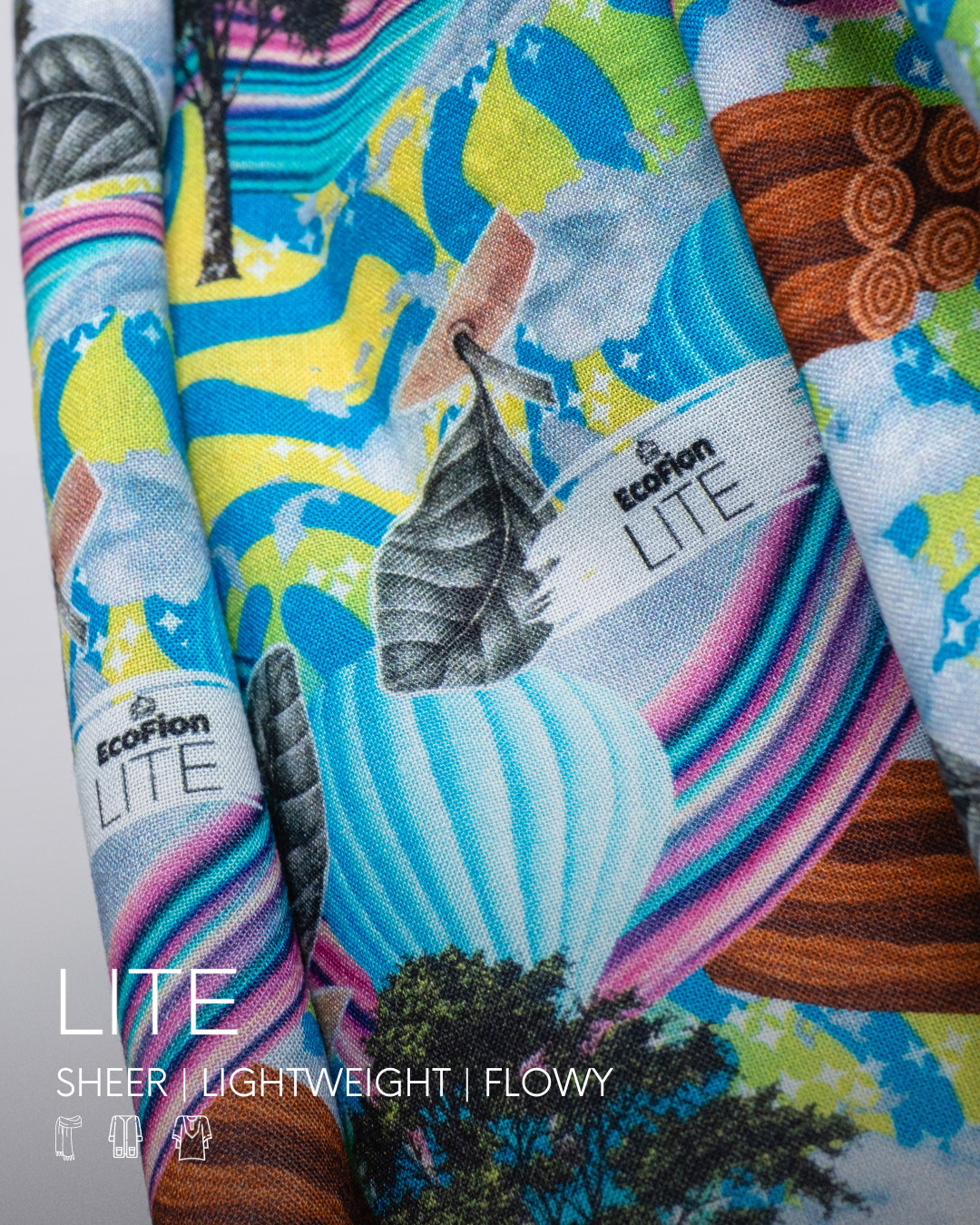
The best fabric for printed hijabs is light, fluid, breathable and easy to shape, such as TENCEL™, rayon/viscose, silk or a fine cotton. The final choice depends on your retail price, the hijab style and the climate your customers live in.
TENCEL™ is Lenzing's brand of lyocell and modal, which are regenerated cellulosic fibers made from wood. Fabrics made from these fibers are known for feeling soft against the skin, which is why they are popular for premium everyday hijabs.
| Fabric | Character | Best for |
|---|---|---|
| TENCEL™ (Lyocell/Modal) | Soft, cool, fluid, subtle sheen | Premium everyday hijabs, shawls |
| Rayon/Viscose | Cool, light, fluid | Everyday hijabs at a more accessible price |
| Silk | Luxurious, lustrous, very fluid | Scarves and hijabs for occasions or exclusive drops |
| Fine cotton (voile/poplin) | Light, matte, holds shape | Square hijabs with a crisp front |
| Premium polyester | Sharp colors, wrinkle-resistant | Budget hijabs, merchandise, design tests |
If you are aiming at the premium end, read our guide to silk fabric for scarves and hijabs. You can browse every available base fabric on the Zalmon fabric list.
How should you prepare a print design for hijabs?
Prepare your print design according to the hijab's cut: square hijabs work best with a panel print, while shawls are more flexible and suit a repeat pattern. A panel print is one complete design sized for a single hijab, often framed with a border. A repeat pattern is a motif that tiles continuously along the fabric.
Check these points before you send your file:
- Size it to the cut. Make each panel the size of the finished hijab plus room for the edge finish.
- Use enough resolution. Pixelated artwork shows clearly, especially on sheer fabrics that let light through.
- Design for how it is worn. When a hijab is folded and wrapped, the edges and the area around the face show the most. Put your strongest elements there.
- Leave room for color adjustment. On-screen colors almost always differ slightly from printed fabric, so plan for tweaks after sampling.
Before uploading, review the Zalmon design terms for file requirements.
What are the steps to start a hijab brand?
The steps to start a hijab brand are: define your concept, choose the fabric, prepare the designs, test a sample, then run a small first production to test the market. In more detail:
- Define your concept and customer. Who wears your hijabs, for which occasions, and at what price point.
- Start with one or two hijab styles. For example, square hijabs and shawls. Focus keeps stock efficient and your brand message clear.
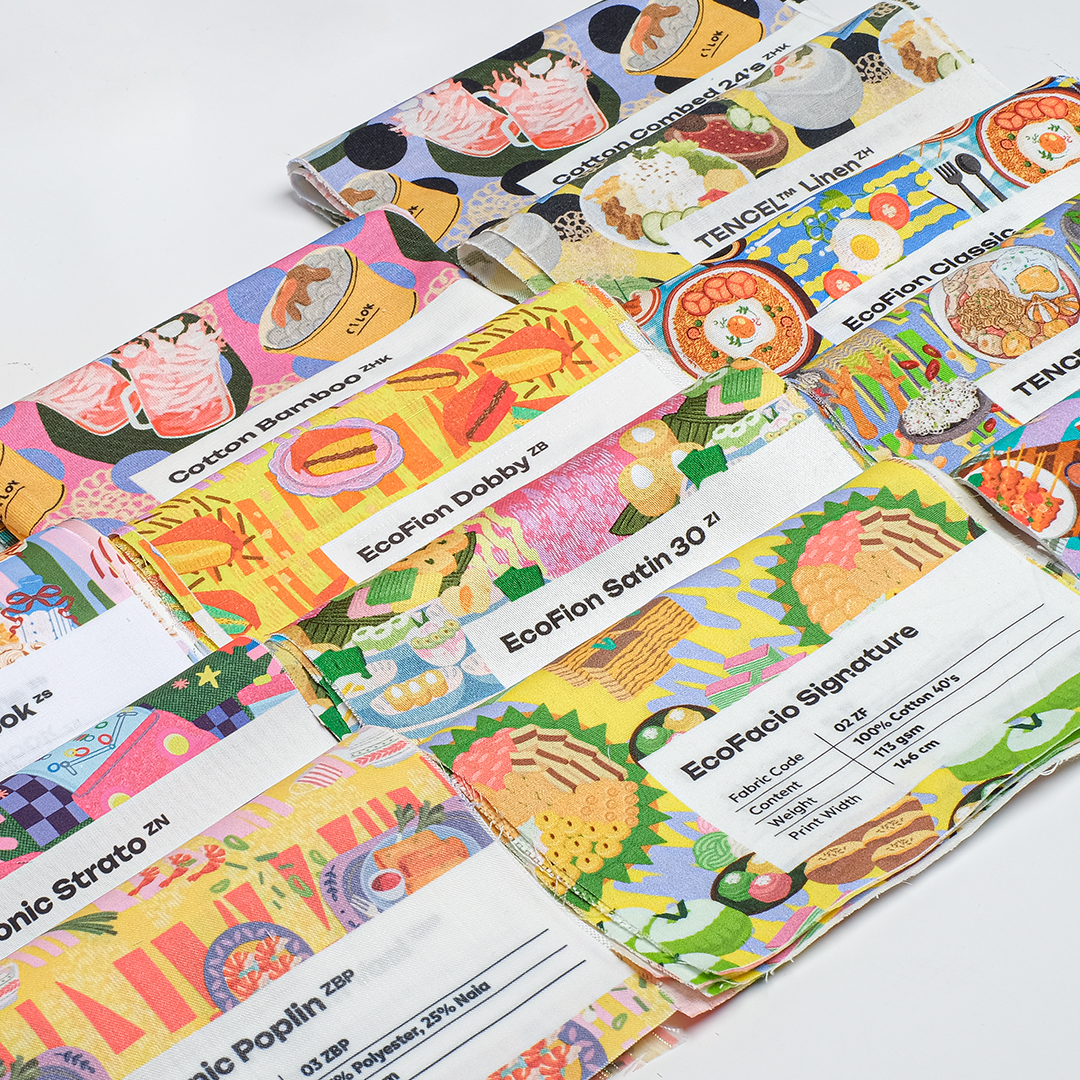
- Touch the fabric yourself. Photos cannot show how cool or fluid a fabric feels. The Zalmon Sample Pack lets you compare a range of fabrics side by side.
- Pick your two strongest designs. That matches the minimum order for custom printing on natural fabrics at Zalmon Fabric.
- Print a strike-off. A strike-off is the first printed sample used to check color, print scale and hand-feel before production. Learn more in our strike-off guide.
- Produce the fabric, then finish the edges. Once the fabric is ready, a tailor finishes the hijab edges, for example with a rolled hem.
- Shoot product photos and open pre-orders. Pre-orders help you gauge demand before you reorder in larger quantities.
What is the minimum fabric order for a first hijab collection?
Zalmon Fabric accepts custom digital printing on natural-fiber fabrics from 50 meters for 2 designs, or 25 meters per design. For polyester, custom printing starts at 10 meters, which suits smaller design tests.
| Zalmon Fabric service | Minimum order | Best for |
|---|---|---|
| Custom digital printing on natural fabrics | 50 m for 2 designs (25 m per design) | A hijab brand's first collection |
| Custom printing on polyester | 10 m | Design tests, accessible products |
| Print only (customer's own fabric) | 300 m | Brands that already hold fabric stock |
How many hijabs you get from 25 meters depends on the fabric width and your cutting size. Work out how many pieces fit per meter first, then set aside a few pieces for product photos and possible rejects.
How long does fabric production take for printed hijabs?
Fabric production for printed hijabs at Zalmon Fabric takes about 28–31 working days: 7–10 working days for the strike-off, plus at least 21 working days for digital printing in the normal queue. Saturdays and Sundays are days off, so plan with working days rather than calendar days.
After the fabric arrives, add time for edge finishing, quality checks, product photos and content. For peak seasons such as Ramadan and Eid, start your designs several months ahead so color revisions never feel rushed.
- Lock your final designs before ordering the strike-off.
- Leave time for one round of strike-off revisions.
- Book your product shoot as soon as the hijabs are sewn.
What mistakes do new hijab brands often make?
The most common mistake new hijab brands make is producing too many designs at once and skipping the sampling stage. Other frequent mistakes include:
- Choosing fabric from photos or reviews without touching it.
- Not checking where the print lands when the hijab is folded and worn.
- Planning timelines without strike-off and sewing time.
- Overlooking material safety. Hijabs sit directly against the skin, and OEKO-TEX STANDARD 100 places products with direct skin contact in a product class with stricter requirements.
Zalmon Fabric holds OEKO-TEX and Lenzing certifications, so you can talk about your hijab materials with customers more confidently.
Zalmon Fabric is a natural-fiber fabric supplier (TENCEL™, cotton, rayon/viscose, silk, linen) and custom digital fabric printing service based in Bandung, Indonesia. Fabrics are woven and printed in-house at its own mill, with OEKO-TEX and Lenzing certifications. Showroom: Ruko 23 Paskal B71, Bandung 40181, Indonesia. WhatsApp: +62 813-2282-8217.
Printed Hijab Brand FAQ
What is the minimum fabric order to start a hijab brand?
At Zalmon Fabric, custom digital printing on natural-fiber fabrics starts at 50 meters for 2 designs (25 meters per design). For polyester, the minimum custom print order is 10 meters. Pricing depends on the fabric, so ask the team directly on WhatsApp.
Can Zalmon Fabric print my own hijab designs?
Yes, Zalmon Fabric prints designs supplied by the customer. Make sure your artwork is original or that you hold the rights to use it, and prepare the file according to the design terms.
Which fabric feels coolest for printed hijabs?
TENCEL™ and rayon/viscose generally feel the coolest for everyday hijabs because they are cellulosic fibers that stay comfortable in hot weather. Silk feels luxurious and smooth, while polyester tends to absorb less moisture. The safest way to choose is to compare the fabrics in person with a sample pack.
Is a strike-off necessary before producing hijabs?
It is strongly recommended. A strike-off lets you check color, print scale and hand-feel before you print dozens of meters. At Zalmon Fabric, a digital print strike-off takes 7–10 working days.
How long until the hijab fabric is ready to sew?
About 28–31 working days at Zalmon Fabric: 7–10 working days for the strike-off and at least 21 working days of digital printing in the normal queue. Edge finishing, quality checks and product photos come on top of that.
Ready to Bring Your First Hijab Print to Life?
If you are ready to start a hijab brand, the Zalmon Fabric team can help you choose the right fabric and walk you through custom printing from sample to production. Send your designs or questions on WhatsApp, or begin with the Sample Pack to compare fabrics in person.
Chat via WhatsApp →Get the Sample PackShowroom: Ruko 23 Paskal B71, Bandung, Indonesia.