Picking a cotton shirt fabric sounds easy: "just make it cotton." But behind that one word sit many different weaves and yarn sizes, and they produce very different shirts. Some are smooth and crisp for office wear, some are textured for a casual look, and some are light and airy for hot climates. In this guide we cover the 7 most common types, how to read yarn counts, and a step-by-step way to choose the right fabric for your brand's collection.
Why Cotton Is Still the Go-To for Shirts
Cotton is a natural fiber that comes from the cotton plant. For a shirt worn all day in warm weather, it offers a few advantages that are hard to replace.
Pros
- Absorbs sweat and breathes, so it feels cool.
- Comfortable on skin and rarely itchy.
- Easy to care for and holds up to repeated washing.
- Takes color well, so it works for both dyeing and printing.
- Comes in many weaves, from formal to casual.
Cons
- Wrinkles easily, especially thin plain weaves.
- Can shrink if the fabric has not been pre-shrunk.
- Dark colors may fade with the wrong washing routine.
- Less fluid drape than rayon or TENCEL™.
None of these are reasons to avoid cotton. They are reasons to choose the right weave and yarn count for the kind of shirt you want to make.
7 Types of Cotton Shirt Fabric
The main differences between shirt fabrics come down to how the yarns are woven and how fine those yarns are. Here are the seven you will see most often.
1. Poplin
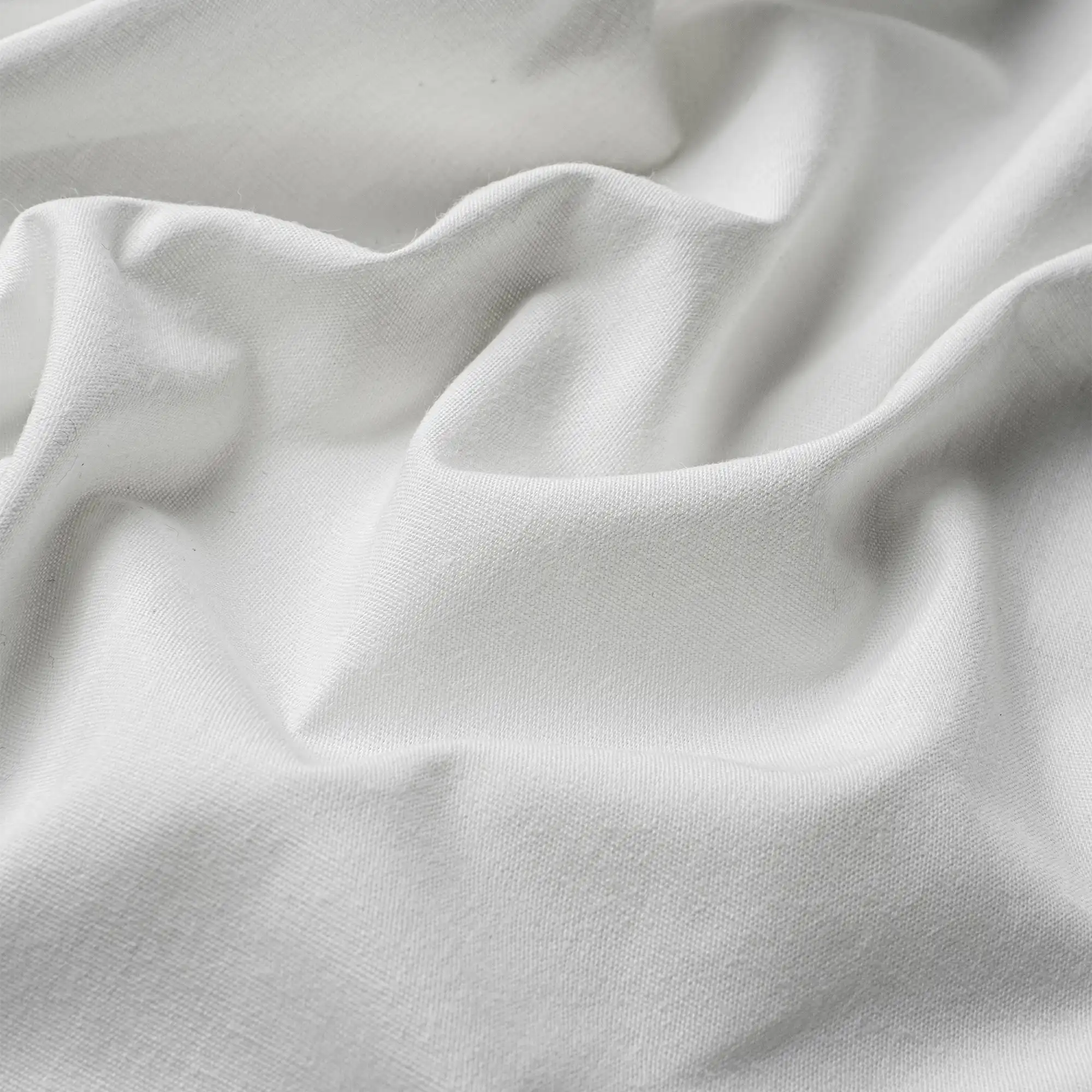
Poplin is a tight plain weave. The surface is smooth, slightly lustrous, and light. It is the classic choice for work shirts and dress shirts. Because the surface is so even, poplin is also a great canvas for detailed printed patterns.
2. Oxford
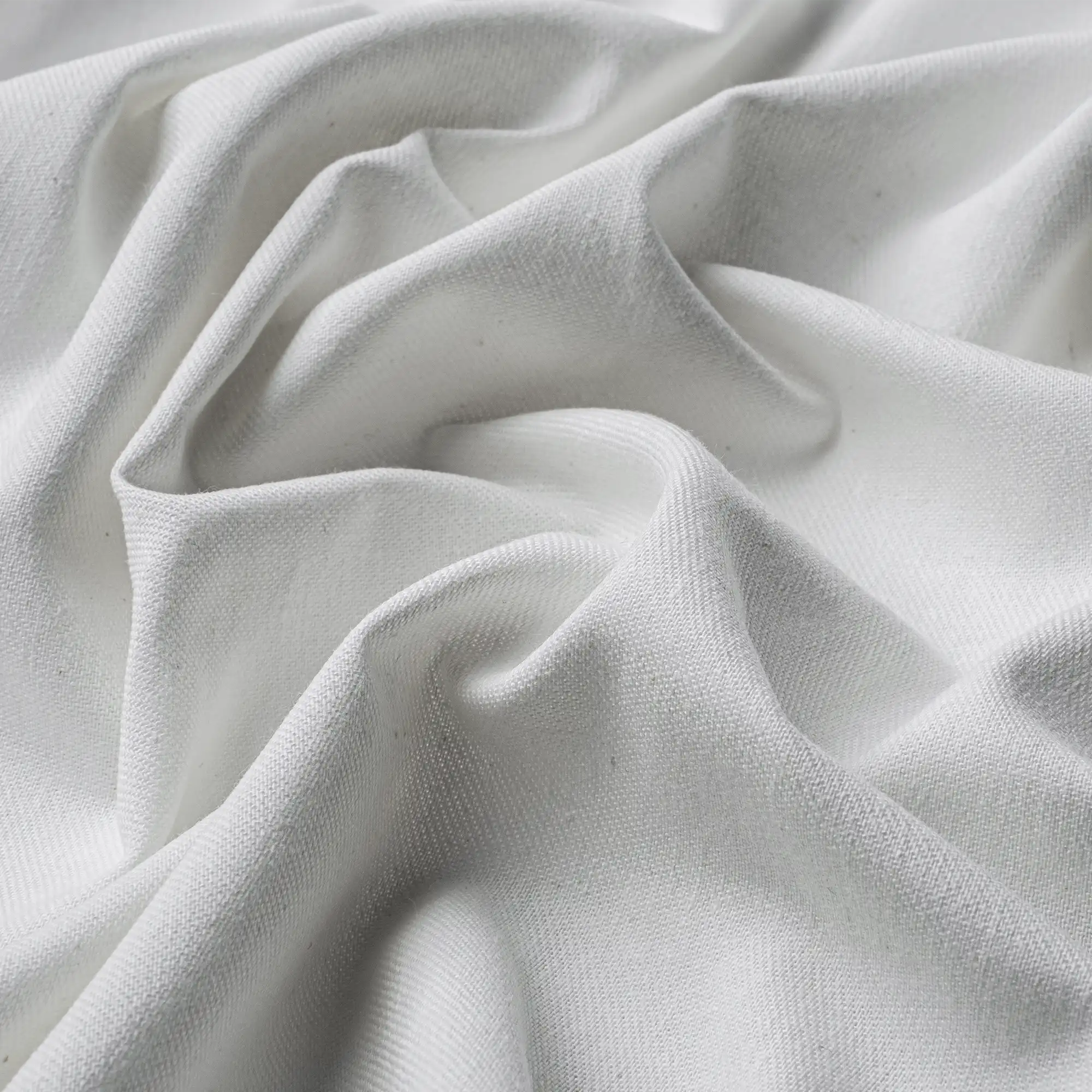
Oxford uses a basket weave, where several yarns cross together, giving a small checkerboard-like texture. It is thicker and sturdier, ideal for casual shirts with button-down collars. Oxford is usually woven from pre-dyed yarns, so it is less often used for printing.
3. Twill
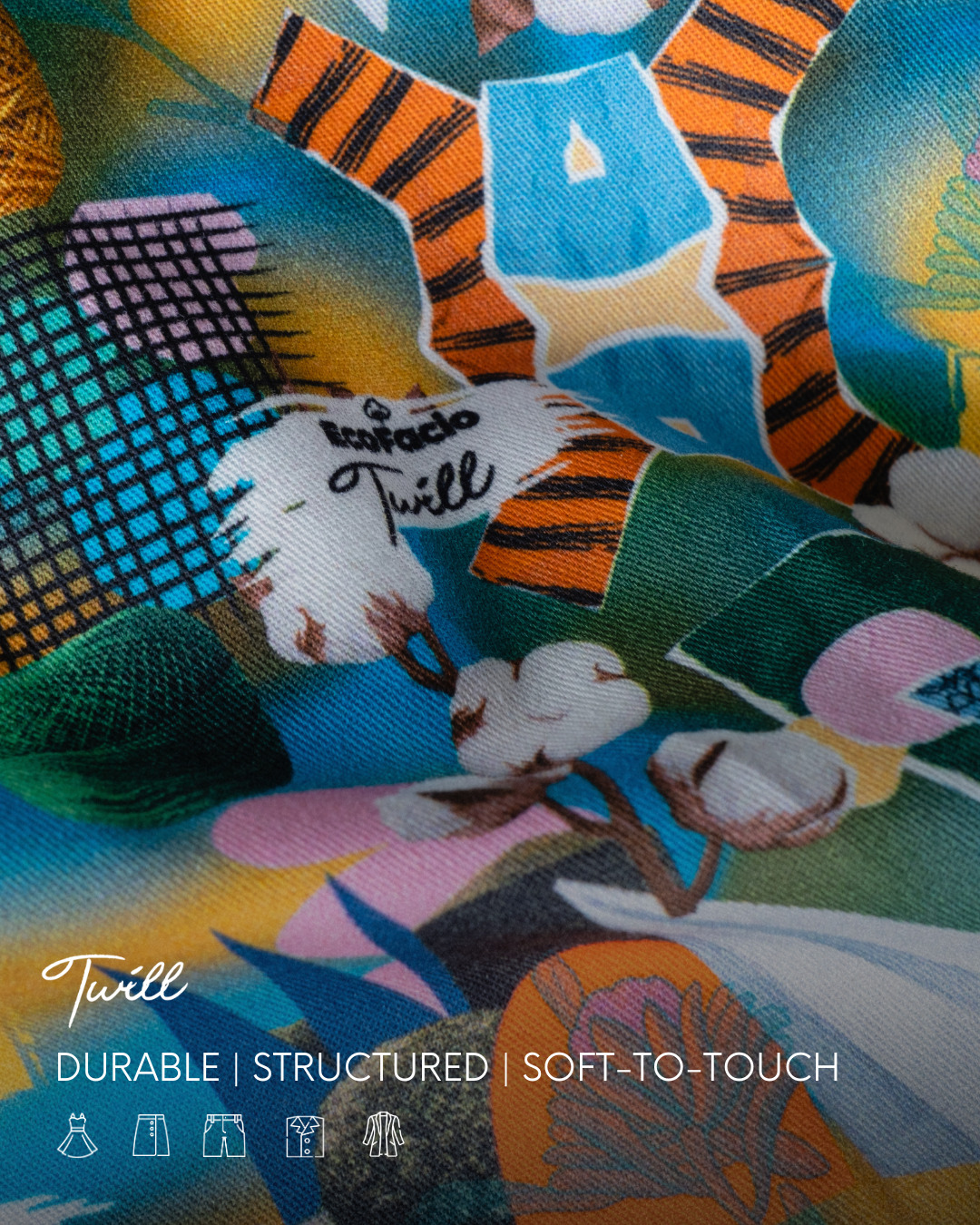
Twill has a fine diagonal line across its surface. It feels softer, drapes better, wrinkles a little less than poplin, and is slightly heavier. It suits shirts that should look polished but relaxed, and printed shirts too, since colors look rich on a twill surface.
4. Chambray
At first glance chambray looks like a light denim. It has colored warp yarns and white weft yarns in a plain weave, which gives it a slightly heathered look. It is light and cool, perfect for casual shirts and relaxed workwear.
5. Voile and Lawn
Both are very light plain weaves made from fine yarns. Voile is slightly sheer, while lawn is a bit denser and smoother. They work well for women's shirts, blouses, and loose tops in hot weather, though they often need a lining or layering.
6. Dobby
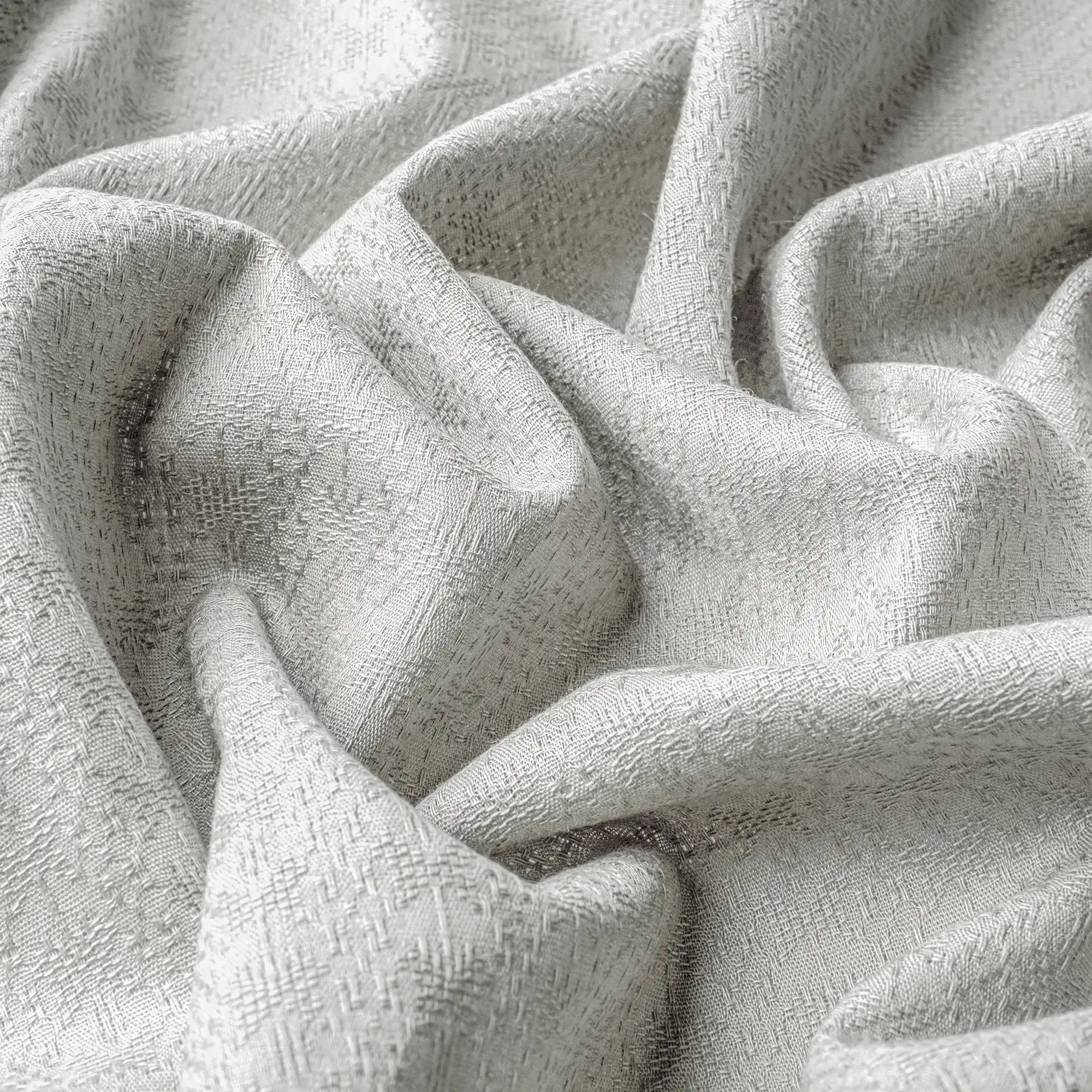
Dobby has small patterns woven right into the fabric, such as dots, stripes, or tiny geometric shapes. That texture makes a plain shirt look more refined without any print. It is a good fit for minimalist collections.
7. Cotton Linen
A cotton and linen blend gives a natural, slightly textured look and a cool hand feel. It is ideal for resort shirts and holiday styles. It still creases, but that is part of its charm.
Quick Comparison of Shirt Fabrics
| Type | Texture | Weight | Best for | For printing |
|---|---|---|---|---|
| Poplin | Smooth, tight | Light–medium | Work and dress shirts | Excellent |
| Oxford | Small basket texture | Medium–heavy | Casual shirts | Less common |
| Twill | Diagonal line | Medium | Polished-casual shirts | Good |
| Chambray | Heathered, denim-like | Light | Casual, workwear | Less common |
| Voile/Lawn | Very fine | Very light | Blouses, women's tops | Good, light prints |
| Dobby | Small woven pattern | Medium | Premium plain collections | Possible, simple prints |
| Cotton Linen | Natural, textured | Medium | Resort shirts | Possible, natural effect |
Understanding Yarn Counts: 20s, 30s, 40s
When you shop for fabric you will often see labels like "Cotton 20s" or "Cotton 40s." This number is the yarn count in the Ne system. The rule is simple: the higher the number, the finer the yarn.
- 20s: thicker yarn. The fabric feels dense and sturdy, good for casual shirts or overshirts.
- 30s: a versatile middle ground.
- 40s and up: fine yarn. The fabric is thinner, softer, and crisper, good for dress shirts and printed shirts that need sharp detail.
Yarn count is not the only measure of quality. Weave density, the type of cotton fiber, and finishing all matter. The safest approach is still to touch and test the fabric yourself.
How to Choose Cotton Shirt Fabric for Your Brand
- Define the shirt's character. Formal, casual, resort, or womenswear? This decides the weave.
- Think about climate and wear. For all-day wear in a hot city, choose fine yarns and breathable weaves like 40s poplin or voile.
- Pick a yarn count. 40s for a crisp, light look; 20s–30s for a sturdier feel.
- Decide printed or plain. Custom printed shirts need a flat surface like poplin or twill. Plain shirts can use the texture of dobby or cotton linen.
- Check fabric certifications. A label like OEKO-TEX® STANDARD 100 means the fabric has been tested for harmful substances. For organic cotton, the widely recognized benchmark is the Global Organic Textile Standard (GOTS).
- Order samples. Feel, wash, and iron them. See how the fabric drapes, shrinks, and wrinkles before production.
- Wash your fabric sample before you cut patterns. You will see how much it shrinks, so your shirt sizing stays consistent.
Custom Printed Shirts: Which Cotton Works Best?
If your brand wants shirts with its own prints, choose cotton with a flat, tight surface. Fine-yarn poplin and twill usually give the sharpest print results. You can also look at TENCEL™ or rayon if you want a shirt with more drape and a cooler feel.
At Zalmon, you bring your own designs and we print them on the natural-fiber fabric you choose through custom digital printing. A few things to know:
- MOQ for custom digital printing on natural fabrics: 50 meters for 2 designs (25 meters per design).
- Strike-off (print sample): 7–10 working days, to check color and pattern scale before production.
- Production in the normal queue: at least 21 working days (we are closed Saturday and Sunday).
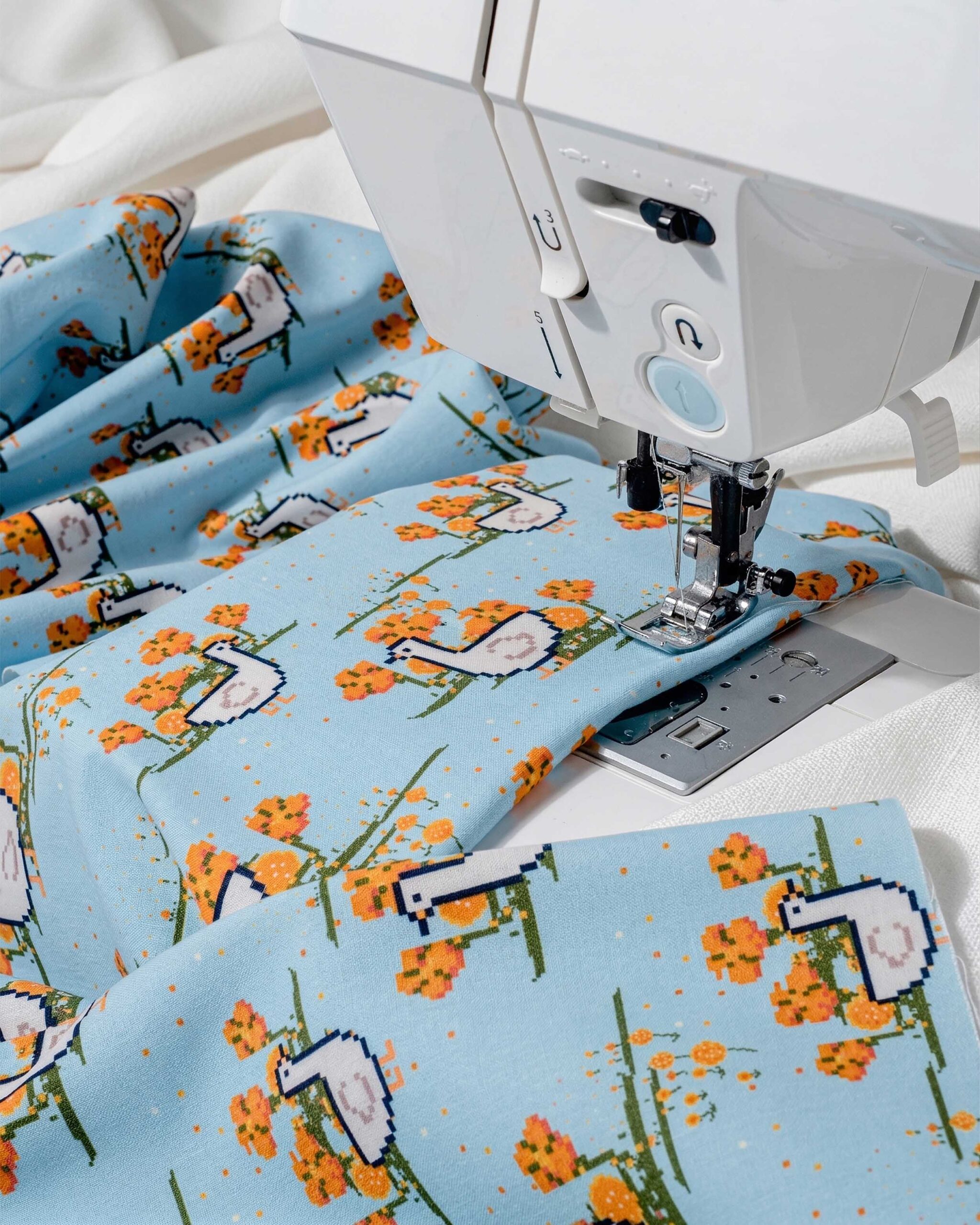
For large volumes there is rotary printing, with order details confirmed per order. If you need plain shirts in a specific color instead, look at ready stock solid color fabrics or custom fabric dyeing with an MOQ of 300 meters per color per fabric type.
Zalmon's cotton fabrics are woven and printed in-house at our own mill in Bandung. Our organic cotton yarn is GOTS-certified, sourced from PT. Dan Liris, and we hold OEKO-TEX and Lenzing certifications.
- Prepare your design files according to Zalmon's design terms so the strike-off goes faster and the print comes out as expected.
Conclusion
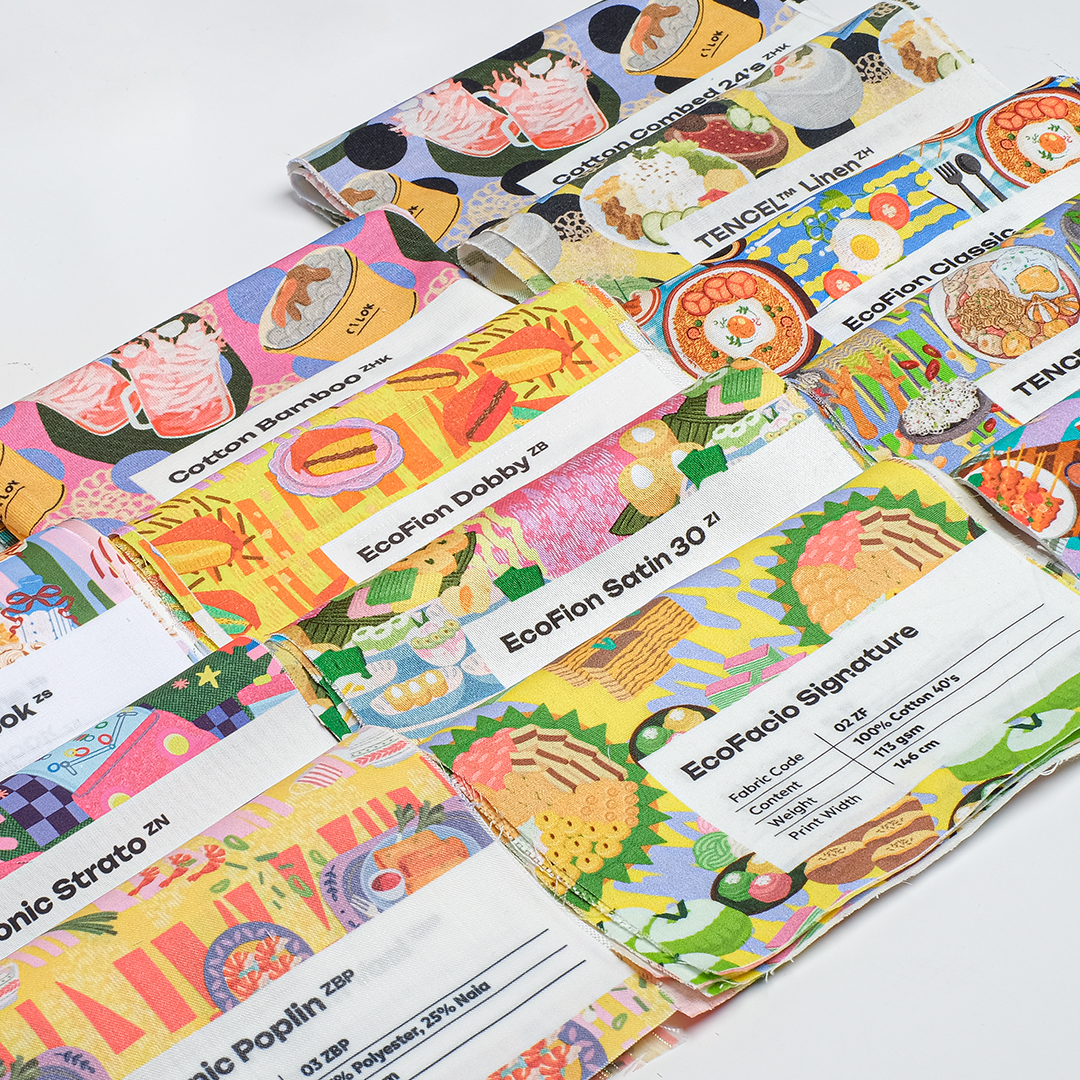
There is no single cotton shirt fabric that is right for every brand. Poplin shines for crisp shirts and sharp prints, twill for a soft and relaxed feel, oxford and chambray for casual style, voile for light tops, and dobby and cotton linen for textured plain collections. Start from the kind of shirt you want to sell, match it with a yarn count, then prove it with samples. Browse Zalmon's fabric list and feel the textures yourself with the Sample Pack.
FAQ
What is the best cotton fabric for shirts?
It depends on the style. For work shirts and printed shirts, fine-yarn poplin (for example 40s) is the most common choice because it is crisp and cool. For casual shirts, oxford, twill, or chambray fit better.
Is 20s, 30s, or 40s cotton better for shirts?
The higher the number, the finer the yarn. 40s makes a thin, soft, crisp fabric for dress shirts. 20s–30s is thicker and sturdier, suited to casual shirts or overshirts.
What is the difference between poplin and oxford?
Poplin uses a tight plain weave, so the surface is smooth and slightly lustrous. Oxford uses a basket weave, so the texture is rougher, like tiny checks, and the fabric is thicker.
Why do cotton shirts wrinkle so easily?
Cotton fibers crease easily under heat and pressure, especially in thin plain weaves. Twill and dobby weaves usually resist wrinkles a little better. Ironing while the fabric is still slightly damp also helps.
Can cotton fabric be printed with my own design?
Yes. Cotton takes color well. At Zalmon, custom digital printing on natural fabrics starts from 50 meters for 2 designs, with a 7–10 working day strike-off before production.
Ready to Make Cotton Shirts With Your Own Prints?
Tell us about the shirt and prints you are planning. The Zalmon team will help you pick the cotton fabric that fits best.
Chat via WhatsApp →Get the Sample PackShowroom: Ruko 23 Paskal B71, Bandung, Indonesia.